

On Saturday 14 November, the One Bangkok Forum in Bangkok, Thailand, becomes the centre of the Asian music world as it hosts the first edition of the Eurovision Song Contest Asia.
With Woody Milintachinda and Cindy Bishop as hosts, it is a historic event bringing together 11 countries (Bangladesh, Bhutan, Cambodia, Laos, Malaysia, Mongolia, Nepal, the Philippines, South Korea, Thailand and Vietnam) in a competition that aims to bring the spirit of the Eurovision format to Asia while celebrating the continent’s cultural, linguistic and musical diversity.
With acts from different genres, backgrounds and artistic approaches, this first edition sets out to be an international showcase for new voices and sounds from one of the most diverse regions on the planet.
With the big night almost here, we take a closer look at the careers of the acts hoping to win. In a series of profiles, we introduce the artists taking part in this historic contest: their origins, their musical careers, their biggest hits and the stories behind each entry. 11 countries, 11 songs and one stage: Bangkok, where a new chapter in the history of international song contests is about to begin.
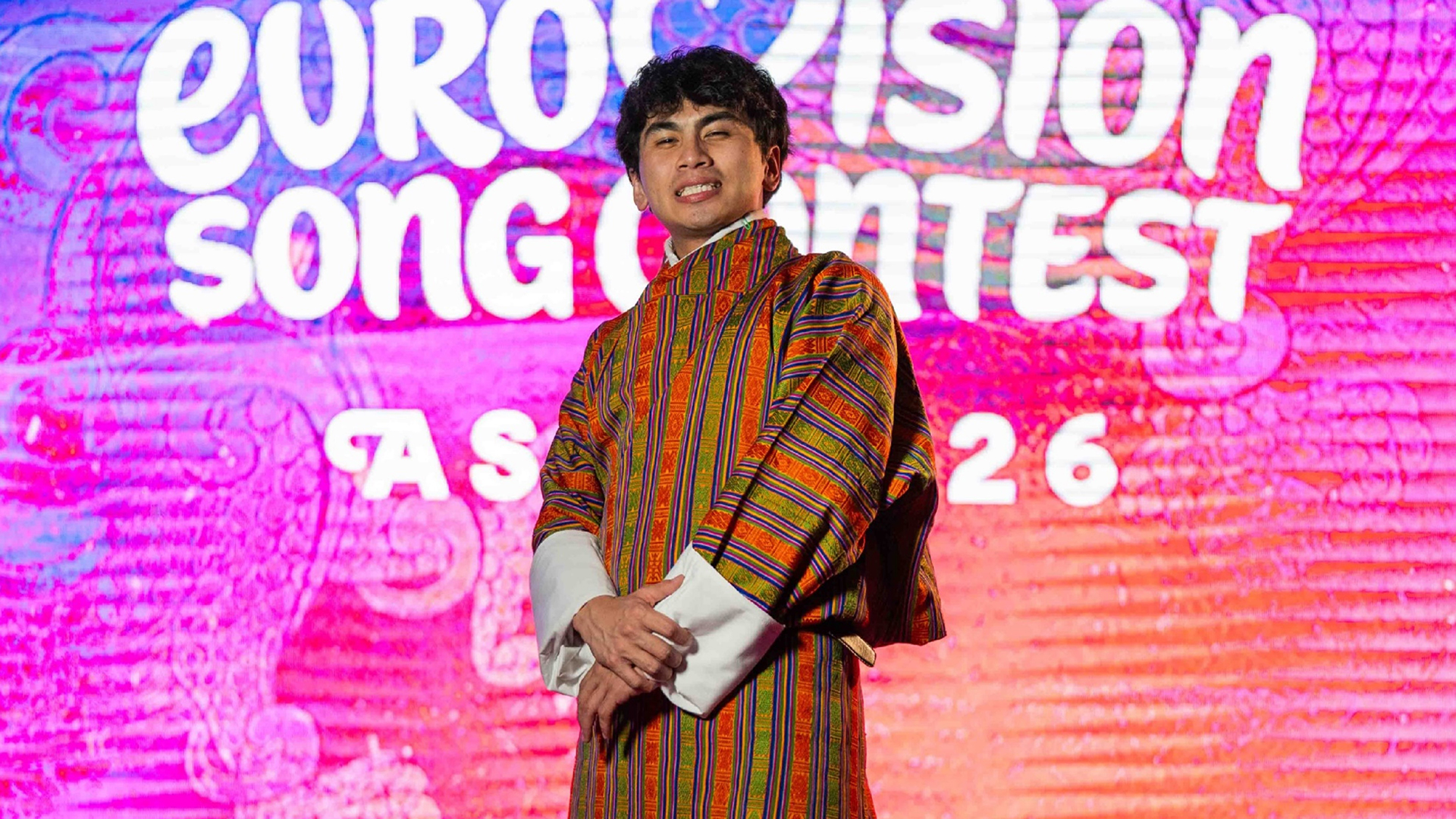
This time, we meet Nyendra, who represents Bhutan at Eurovision Song Contest Asia 2026 with “Lhayi Semo” (The Angel, in Dzongkha).
Meet Nyendra, the Bhutanese voice who turns his emotions into songs
Thukten Nyendra, known professionally as Nyendra, is a young Bhutanese singer, songwriter and producer who will represent his country at the first edition of the Eurovision Song Contest Asia. At just 24, he has carved out a place on the Bhutanese music scene thanks to his personal songwriting, his versatility and a sound that blends pop, folk-pop, acoustic music and R&B. He will compete on the Bangkok stage with “Lhayi Semo”, hoping to take his country’s music to an international audience.
Thukten Nyendra was born in Mebisa, a village in Chukha district in south-western Bhutan. He spent his early years there and began to develop a special bond with music. His mother, Nidup Tshomo, has told Bhutanese public television how her son was already showing an interest in performing when he was just four years old.
From a very young age, Nyendra played around with the guitar and sang songs, a hobby that would eventually become his main calling. That childhood passion did not necessarily mean he would make music his career, though. In fact, he has explained that he started singing more seriously at 17, but still did not imagine he would end up building a career around his own songs.
His family did not initially see music as a particularly safe career choice either. While he was studying, his mother shared her concerns about the limited opportunities in the Bhutanese music industry and encouraged him to pursue a profession with more financial security.
Despite these doubts, Nyendra kept exploring his artistic side. Music gradually became a way to express feelings that, as he has admitted, he found hard to put into words. He began writing his own songs as a way to work through his thoughts and personal experiences.
Thimphu and university: the start of a music career
At 19, Nyendra left home and moved to Thimphu, the capital of Bhutan. His aim was to continue his studies while finding new opportunities to pursue his passion for music.
The move was a turning point. In the capital, he began to take songwriting and performing far more seriously, spending time honing his skills and developing his own artistic identity.
Although his main interest was music, Nyendra also committed to his education. In July 2025, he graduated in Mass Communication and Journalism from Royal Thimphu College, a private higher education institution in Bhutan.
The singer acknowledges that, at that stage, his studies were also a way of keeping open the possibility of following his true passion. His story reflects the difficulties a young artist can face when choosing a creative career in a place where the industry’s opportunities are still limited.
Nyendra has also spoken openly about his personal insecurities. He has admitted that for a long time he had doubts about his appearance, the way he communicated and how he presented himself to others. Overcoming that lack of confidence has been one of the main challenges of his personal and professional growth, and songwriting became one of his main tools for breaking down those barriers.
A musical identity between pop, folk and R&B
Nyendra works across several musical styles. His sound combines elements of contemporary pop, folk-pop, acoustic music and R&B, with a vocal style that aims to convey emotion and intimacy.
One of the most interesting aspects of his career is his work as an independent artist. As well as singing and writing his own songs, he is also involved in producing his records, which gives him greater control over the final result.
His repertoire includes songs in both English and Dzongkha, Bhutan’s national language. This mix allows him to connect with different audiences and develop a sound that looks to international influences without turning his back on his roots.
His recording career began in 2022 with the release of “A No Love Like This”. A year later he released “December” and “You and Me”, two of his earliest songs in a catalogue that would steadily grow.
2024 brought songs such as “Hint”, “Oh No!” and “Tell Me”. “Oh No!” became one of the first big hits of his career. The song became popular with TikTok users in Bhutan and helped make his name among the country’s young audience. It passed 100,000 plays, becoming one of the first milestones in his rise on the Bhutanese music scene.
That same year he collaborated with Jigme Chophel Wangyel and Sangs on “Collide”, and also featured on “Secrets” with Wangyel. These collaborations broadened his experience and his profile on the national music scene.
Let Me Tell You a Story, his debut studio album
On 10 September 2025, Nyendra released his first studio album, Let Me Tell You a Story. It is an independent release of nine songs in which he explores his most intimate and personal side.
The singer has explained that much of the album is inspired by experiences he has lived through and emotions he needed to express through music. Among the tracks he considers most important are “Let Me Tell You a Story” and “Take Me Back”. He has described the latter as one of the most personal and vulnerable songs on the whole project.
The album marks an important step in his artistic development: rather than simply gathering standalone songs, it offers a fuller picture of his sensibility as a songwriter and producer.
Alongside the album, his discography includes singles such as “I” and “Zamling”, released in 2025, which show his steady output and his interest in exploring different styles.
From Druk Dra to Eurovision Asia 2026
Nyendra’s road to the international stage did not begin with his win at Rhythm of Bhutan. In August 2025, he took part in Druk Dra, a song competition intended to choose Bhutan’s representative for a 2025 edition of the Eurovision Song Contest Asia that never went ahead.
He competed under his full name, Thukten Nyendra, and made it to the final. However, the competition was cancelled before the selection process was completed. It was an opportunity that never materialised, but it did not end his international ambitions.
A year later, he had another chance to represent his country. On 28 July 2026, he was announced as one of five artists selected for Rhythm of Bhutan, the national selection organised to find Bhutan’s representative at the first Eurovision Song Contest Asia. His entry was “Lhayi Semo”, a song released on 7 August.
The decisive show took place on 11 August, with five entries competing. Nyendra came out on top and was crowned winner of Rhythm of Bhutan, earning his ticket to Bangkok to represent Bhutan at the international contest.
The win was significant recognition for an artist who had gone from releasing songs independently to becoming one of the leading names in his country’s contemporary music.
Since his victory, Nyendra has expressed his gratitude for the support he has received from audiences at home. He has also said he is focused on preparing his performance for Bangkok and is using this time to learn from more experienced artists and get advice on performance and vocal technique.
His participation in Eurovision Song Contest Asia 2026 is a particularly important opportunity to raise the profile of Bhutanese music on an international stage. Whatever the result, Nyendra has become one of the key figures in a historic moment for his country’s music industry.
At 24, the singer represents a new generation of artists who use digital platforms, independent songwriting and contemporary sounds to build their own musical identity.
“Lhayi Semo”: Nyendra’s entry for Bhutan at Eurovision Asia 2026
Nyendra represents Bhutan at Eurovision Song Contest Asia 2026 with “Lhayi Semo” (ལྷ་ཡི་སྲས་མོ།), whose title is translated into English as “The Angel” (it can also be rendered as “Daughter of the Gods” or “The Celestial Maiden”).
This romantic declaration of love was written by Nyendra himself together with Lungten Wangchuk Karma, who also wrote the lyrics. “Lhayi Semo” is sung mainly in Dzongkha, with an English line, Bhutan’s official language, and tells a story of love, admiration and emotional vulnerability.
The song portrays someone deeply in love who wonders whether a person as special as a celestial maiden could ever become part of their life. Through the verses, the narrator expresses their feelings for this person, confessing that they follow her wherever she goes and turn everything they feel into words, in the hope that one day she will hear what is in their heart.
The lyrics also reflect the insecurities of falling in love. The narrator does not know whether they have a place in the heart of the one they love, but admits that every time they see her, the world around them seems far more beautiful. At the same time, they wonder whether she could feel the same when their eyes meet.
In its final section, “Lhayi Semo” explores the mix of happiness and sadness that comes with unrequited or still uncertain love. The image of the beloved is constantly in the narrator’s thoughts, to the point that her face is impossible to erase from memory.
Musically, the song lets Nyendra show his sensitivity as a singer and songwriter, combining his contemporary pop identity with an intimate performance. With this song, he chooses Dzongkha as the vehicle for a universal story: the excitement, fear and hope of falling in love.
“Lhayi Semo” by Nyendra: lyrics of Bhutan’s Eurovision Asia 2026 entry
Dzongkha / English
ལྷ་ཡི་སྲས་མོ་བཟུམ་ཅིག་འོང་གནང་མས།།
ལྷ་ཡི་སྲས་མོ་བཟུམ་ཅིག་འོང་གནང་མས།།
Where ever you go
ང་སྟང་འདའ་སྟེ་རང་འོང་དོ།།
ངའི་སེམས་ཁའི་ལོ་རྒྱུས།།
ང་ཚིག་ནང་ལུ་འབྲི་དོ།།
ཁྱོད་ཉན་འོང་ག།
ཁྱོད་ཉན་འོང་ག།
ལྷ་ཡི་སྲས་མོ་བཟུམ་ཅིག་འོང་གནང་མས།།
ལྷ་ཡི་སྲས་མོ་བཟུམ་ཅིག་འོང་གནང་མས།།
ངའི་སེམས་ཁར་ཡོདཔ་ཨིན་ན།
མེདཔ་ཨིན་ན།
ང་གིས་མ་ཤེས།།
ཨིན་རུང་ཁྱོད་མཐོངམ་ད།
ངའི་བལྟ་བའི་འཛམ་གླིང་འདི།
ག་དེམ་ཅིག་དགའ་བས།།
ངོ་ཚ་མས་ང་།།
ཁྱོད་ཀྱི་དགོ་བཏུབ་ག།
ང་མཐོངམ་ད་ལུ།།
ཤོར་ཚུགསཔ་ག།
ཁྱོད་སེམས་འདི་ཡང་།།
ང་མཐོངམ་ད་ལུ།
ལྷ་ཡི་སྲས་མོ་བཟུམ་ཅིག་འོང་གནང་མས།།
ལྷ་ཡི་སྲས་མོ་བཟུམ་ཅིག་འོང་གནང་མས།།
དགའ་བ་སྐྱོ་བ་གཉིས་ཀྱི་བར་ན།།
འཁྱམས་འདི་ལུསཔ་མས་ང་།།
མནོ་བསམ་ཅིག་གཏང་སྟེ་སྡོདཔ་ད།།
ཁྱོད་གདོང་གི་པར་གཞི།།
སེམས་ལས་ཡལ་རང་མ་བཏུབ་ད།།
ལྷ་ཡི་སྲས་མོ་ཁྱོད་རང་མས།།
Transliteration
Lhayi Semo zum chi ong nang me
Lhayi Semo zum chi ong nang me
Where ever you go
Nga tangda te rang ong do
Ngai semkhai loju
Nga tshig nanglu dri do
Chhoe nyen ong ga
Chhoe nyen ong ga
Lhayi Semo zum chi ong nang me
Lhayi Semo zum chi ong nang me
Ngai semkha yoep in na
Mep in na
Nga gi ma she
Inru chhoe thong da
Ngai tawai zamling di
Gademchi ga bay
Ngotsa me nga
Chhoe gi go tub ga
Nga thong da lu
Shor tshup ga
Chhoe sem di yang
Nga thong da lu
Lhayi Semo zum chi ong nang me
Lhayi Semo zum chi ong nang me
Gawa kyowa nyi gi bar na
Chham di lue me nga
Nosam chi tangte doep da
Chhoe dong gi parzhi
Sem lay yal rang ma tub da
Lhayi Semo chi rang me
English (unofficial translation)
Could someone like a celestial goddess come into my life?
Could someone like a celestial goddess come into my life?
Wherever you go
I will follow you
Everything I feel for you
I am turning into words
Will you listen to my heart?
Will you listen to my heart?
Could someone like a celestial goddess come into my life?
Could someone like a celestial goddess come into my life?
Whether you already have a place in my heart
Or not
I don’t know
But every time I see you
The world I look upon
Instantly becomes so beautiful
I wonder
Whether you could like me too
When your eyes meet mine
I can’t help wondering
Whether your heart might be swept away
When your eyes meet mine
Could someone like a celestial goddess come into my life?
Could someone like a celestial goddess come into my life?
Between happiness and loneliness
Sometimes I lose my way
Then I find myself thinking of you again
Your face
Never leaves my heart, no matter how hard I try
Could someone like a celestial goddess come into my life?
Listen to all the songs of Eurovision Song Contest Asia 2026 on the ESCplus playlist on Spotify:
How Nyendra won his ticket to Eurovision Asia 2026: victory at Rhythm of Bhutan
Nyendra will represent Bhutan at the first edition of the Eurovision Song Contest Asia with “Lhayi Semo” (ལྷ་ཡི་སྲས་མོ།), after winning the national selection Rhythm of Bhutan, held on 11 August in Thimphu.
The song was chosen from the five entries in Rhythm of Bhutan and won the backing of the viewers who followed the competition. The Sangay Lhaden Band, Baeyul 301, Karma Drupchu and Pelden Wangchuk also competed alongside the winner, Nyendra.
The selection, organised by Bhutanese broadcaster BBS, used a mixed voting system to choose Bhutan‘s entry for Eurovision Asia 2026, combining the scores of a professional jury (40%), the national televote (40%) and an international audience vote (20%).
The professional jury was made up of four leading figures from the Bhutanese entertainment industry: Choeying Jatsho, an actor known for The Monk and the Gun; Pema Samdrup, a singer who represented Bhutan at the ABU TV Song Festival 2025; Sonam Dorji, a musician, composer and folk music historian; and Uygen Dorji, an actor known for productions such as Ata Yongba and Serga Mathang.
The show was hosted by Phurba Rigsel and Kelzang Dolkar. Rigsel, who has more than 10 years’ experience at BBS, presented in Dzongkha, while Dolkar, who had already hosted Druk Dra 2025, handled the English version.
Rhythm of Bhutan was held as a single televised show, in which the acts performed original songs. Nyendra won with 52 points: 24 from the national jury, whose favourite he was, and 28 from the televote, which combined viewers in Bhutan and the rest of the world. The Sangay Lhaden Band and Baeyul 301, the Bhutanese public’s favourite, completed the top three.
The selection also had its own theme song, “Drukdra, Rhythm of Bhutan”, written by Karma and Phurba Rigsel, which served as the competition’s official anthem.