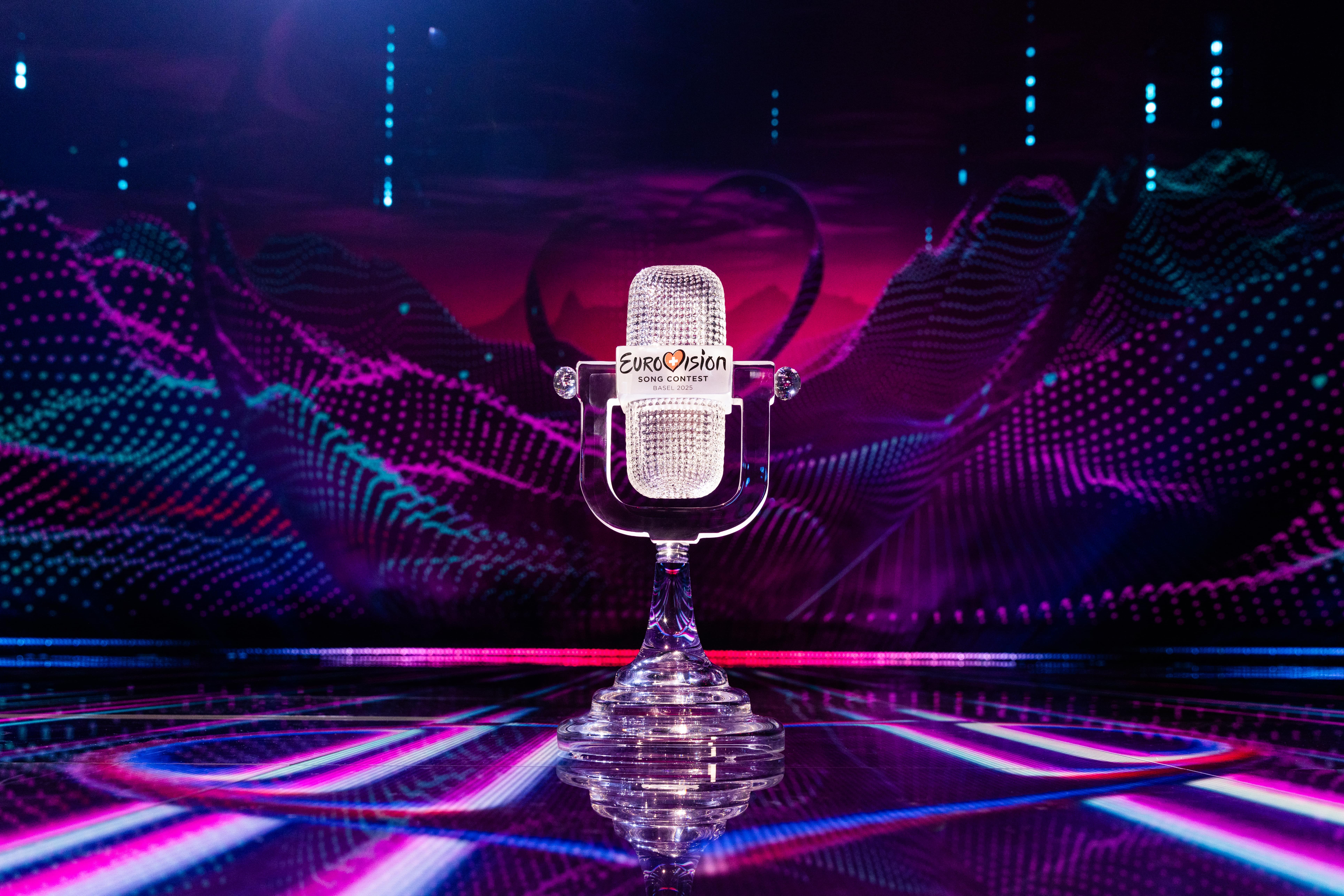

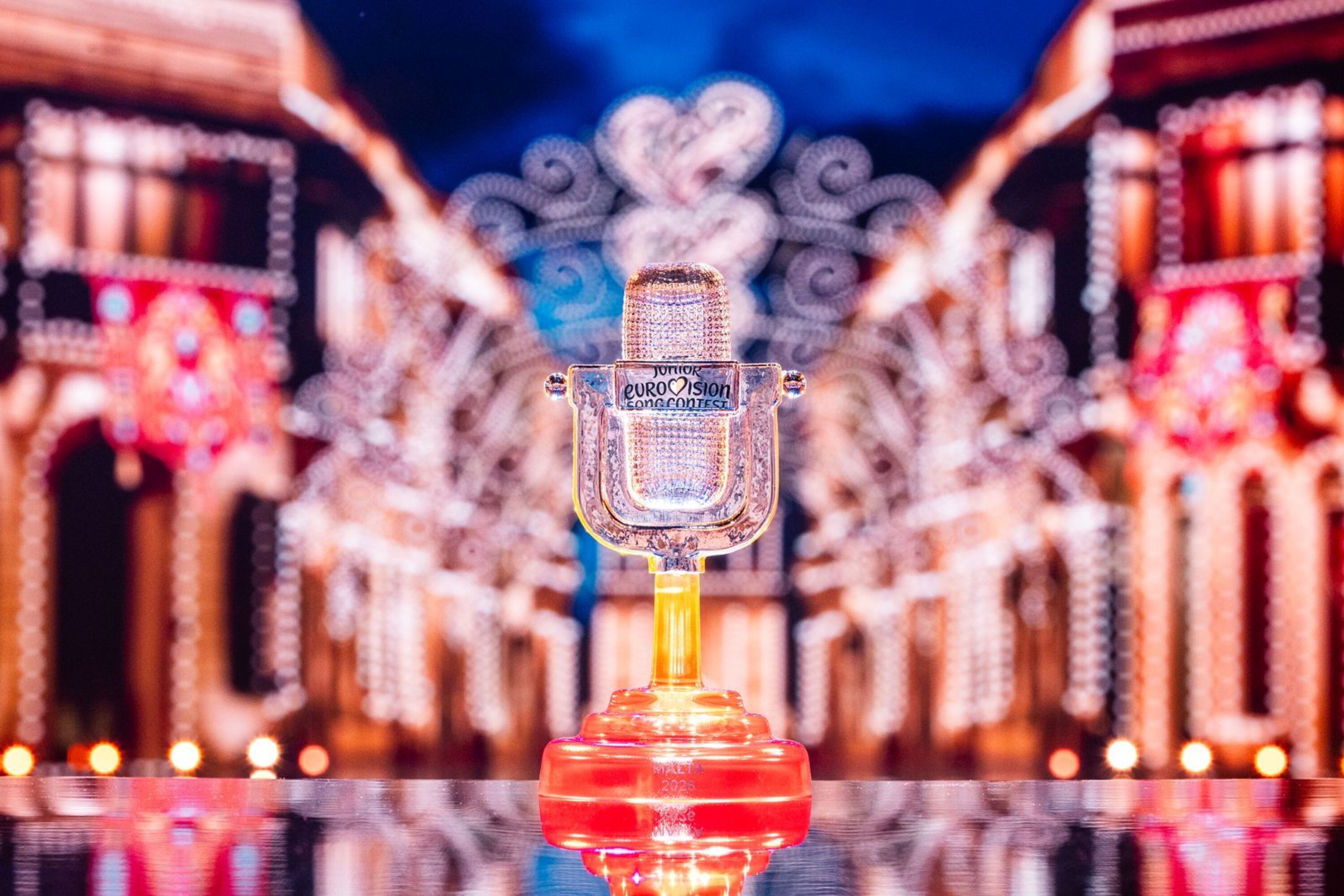
The Junior Eurovision Song Contest enters a new visual era in 2026. Following the renewal of its generic logo in 2025 and the adoption of the permanent slogan “United By Music”, the children’s contest is introducing a new trophy inspired by the iconic Eurovision crystal microphone, one of the most recognisable symbols of the European competition.
With this move, the event aims to strengthen the visual connection between the two competitions and establish a shared visual identity across both musical events, taking another step forward in the global branding strategy of the Eurovision family.
The trophy represents far more than a prize for the winner: it symbolises recognition of the talent, creativity and effort of the young artists who take to the stage each year to represent their countries. Its design draws inspiration from the award presented to the winners of the Eurovision Song Contest, adapting the concept to the world of the children’s competition.
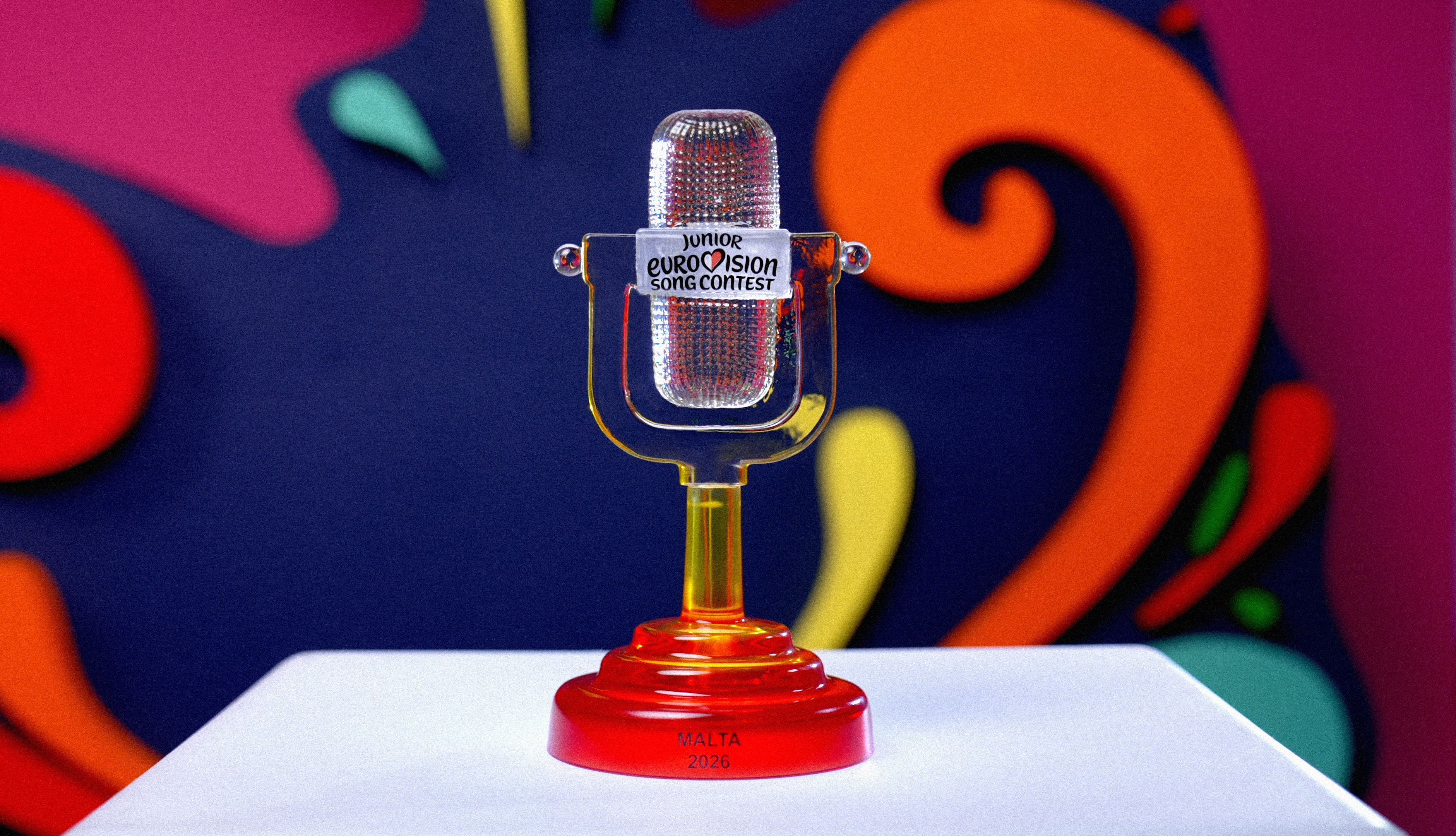
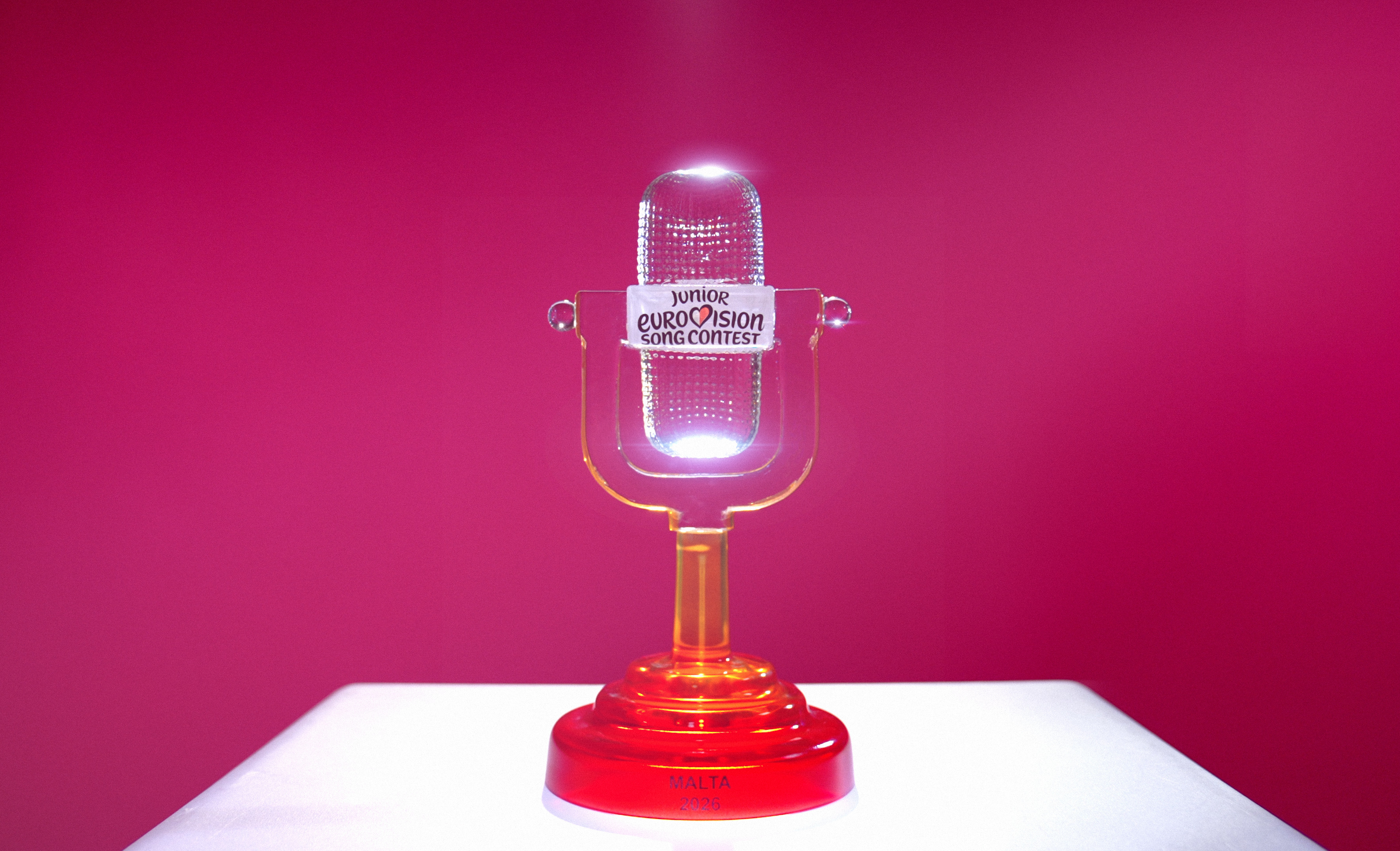
The design is based on the iconic crystal microphone of the Eurovision Song Contest, while introducing several new features. These include a slightly smaller size and the reinforcement of the most delicate areas of the crystal trophy, such as the base and the upper section.
At the same time, unlike the original Eurovision trophy, which is more restrained in terms of colour, the Junior Eurovision award stands out for its much more striking appearance. In particular, the eye-catching pedestal features red and yellow gradients as its main visual elements. The generic Junior Eurovision logo also appears in the central section, while the edition — in this case, Malta 2026 — is displayed on the base.
It is also worth noting that the explanatory video for the Junior Eurovision 2026 voting system had already offered some clues about the trophy change, subtly featuring the revamped award in its visuals.
The origins of the crystal microphone: a tradition that began in Tbilisi 2017
To understand the meaning behind this award, we need to go back to Junior Eurovision 2017, held in Tbilisi (Georgia). It was then that the European Broadcasting Union (EBU) introduced a standard trophy for every edition, bringing an end to the tradition of each host country creating a different award.
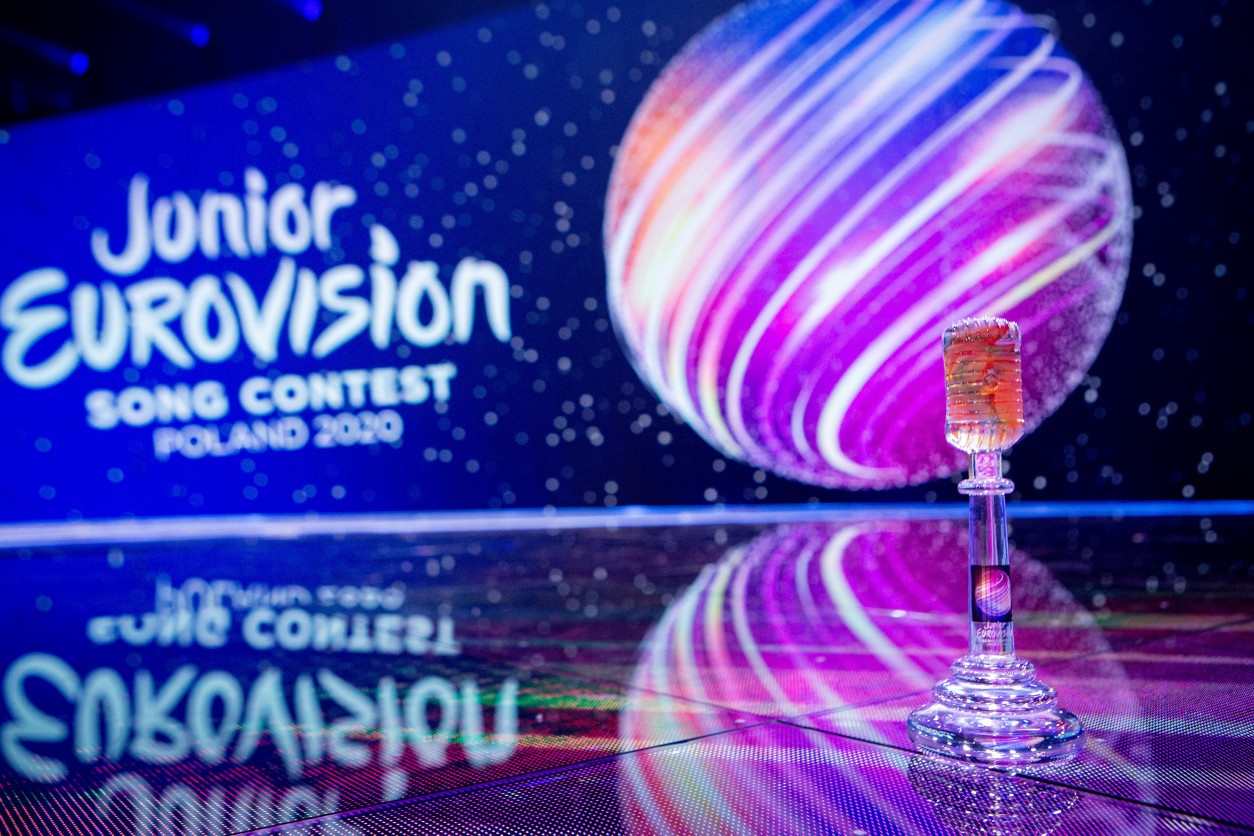
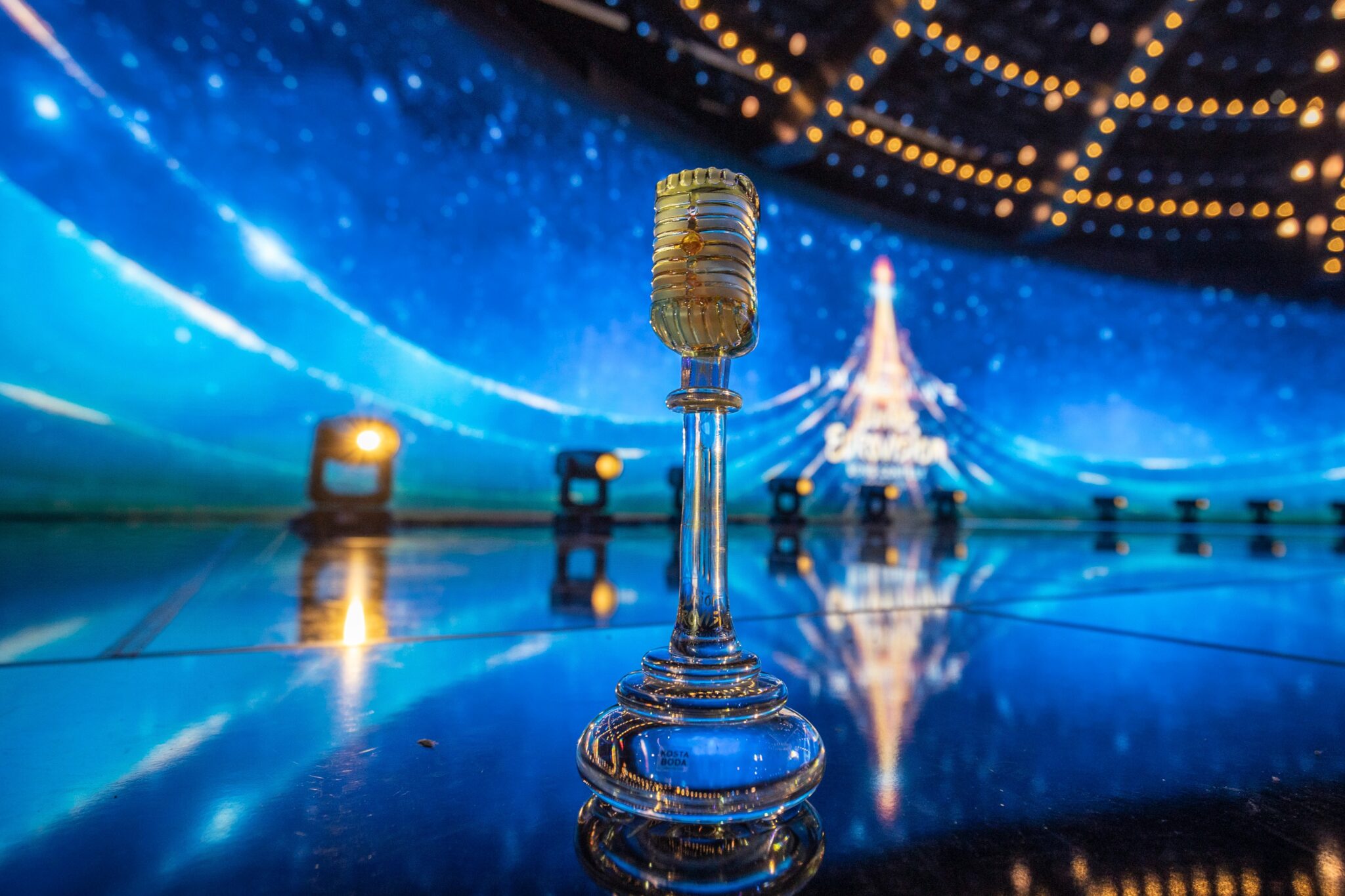
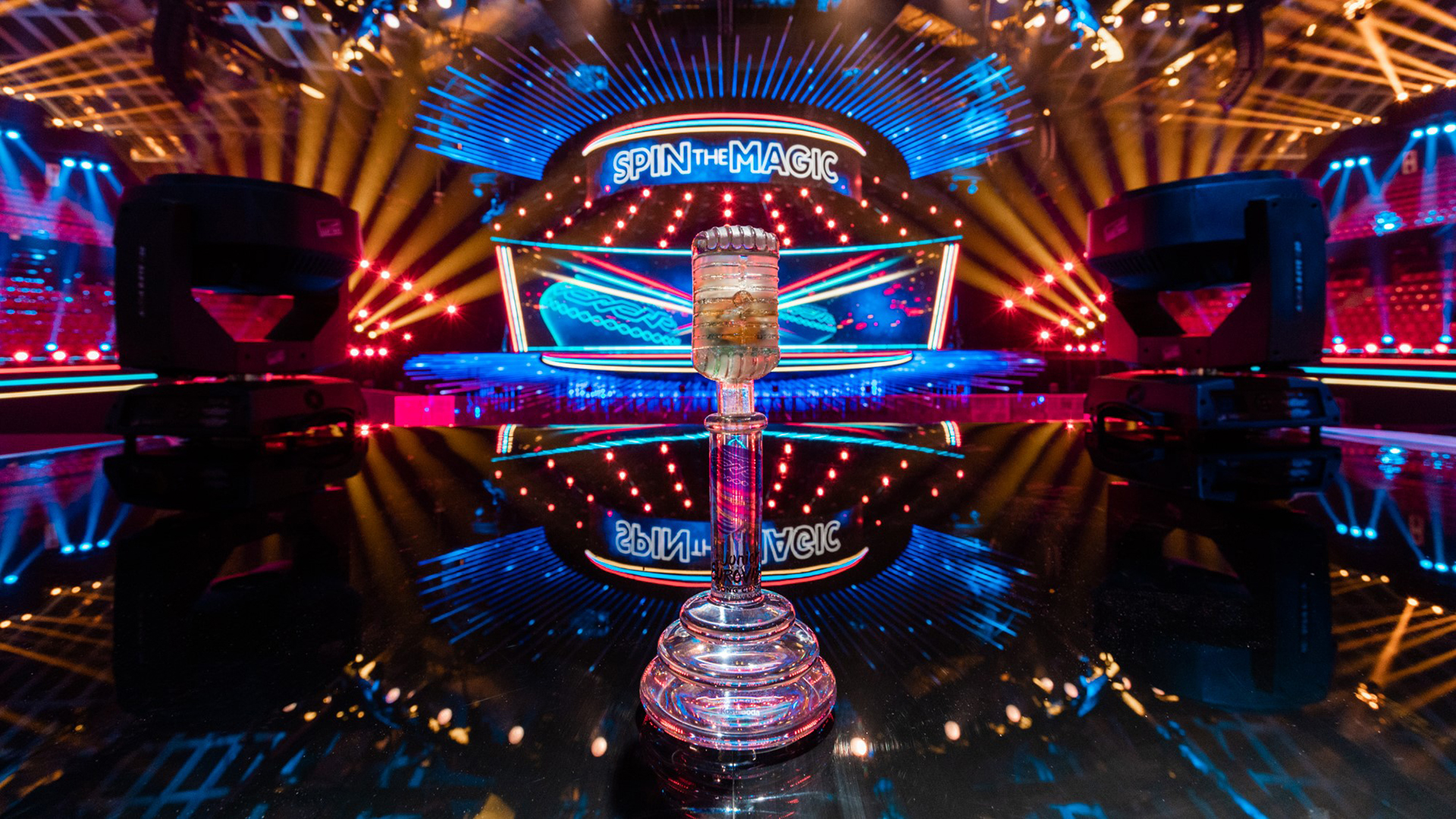
The organisers opted for a design by Swedish brand Kosta Boda, created by glass artist Kjell Engman, who also took part in designing the Eurovision Song Contest trophy. The concept was inspired by a traditional microphone and used glass as its main material. Its purpose was to create a recognisable symbol that would accompany the winners of the children’s contest regardless of which country hosted the event.
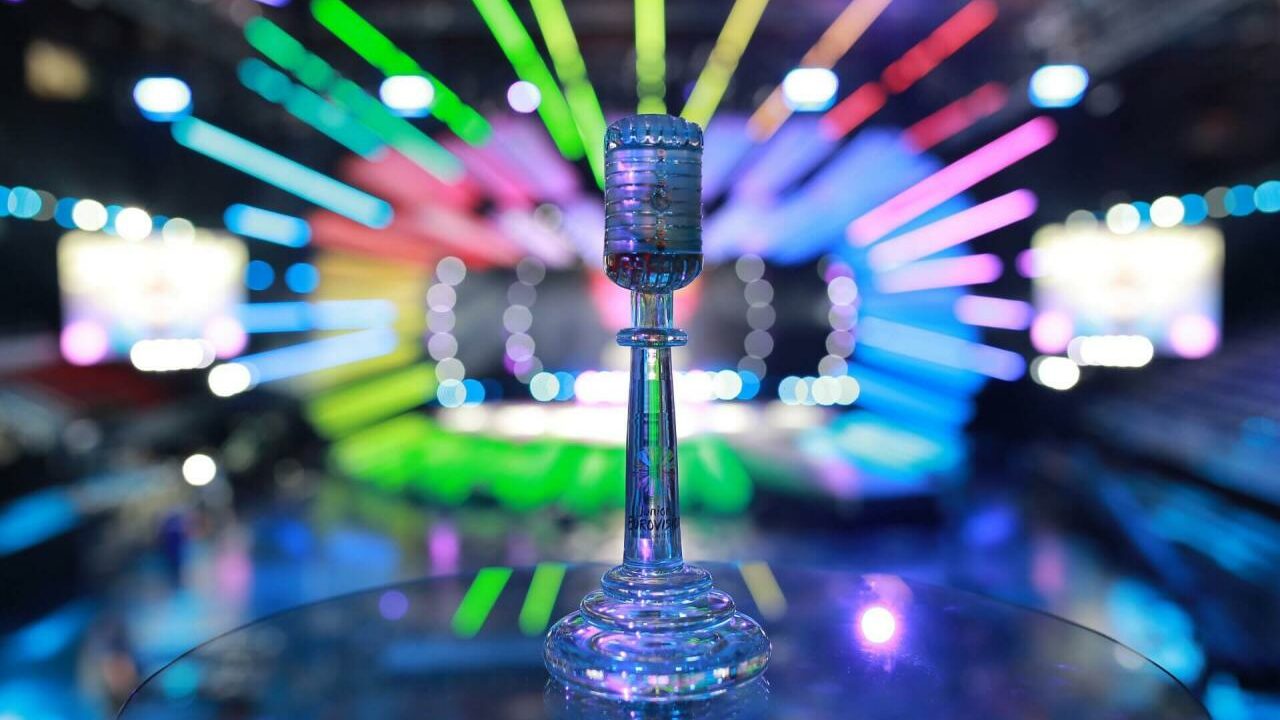
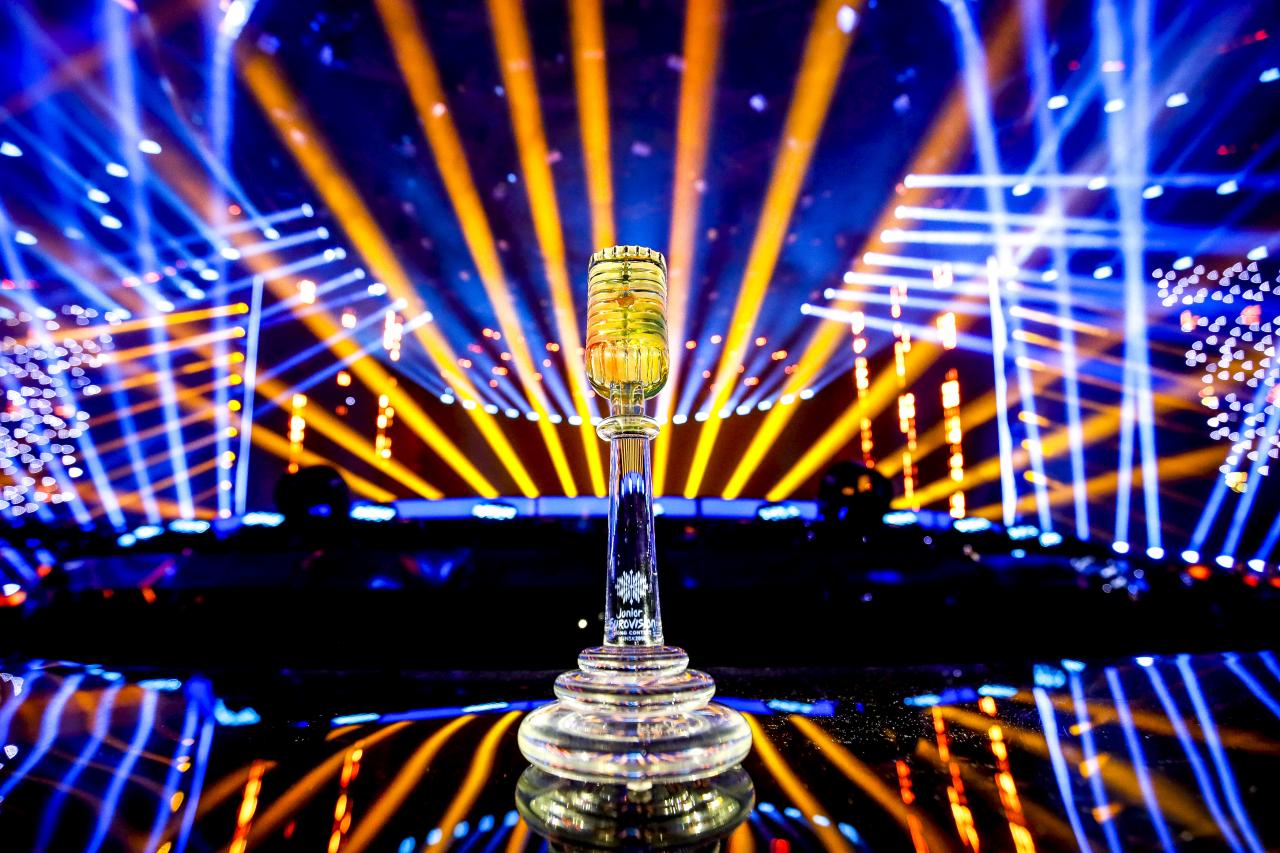
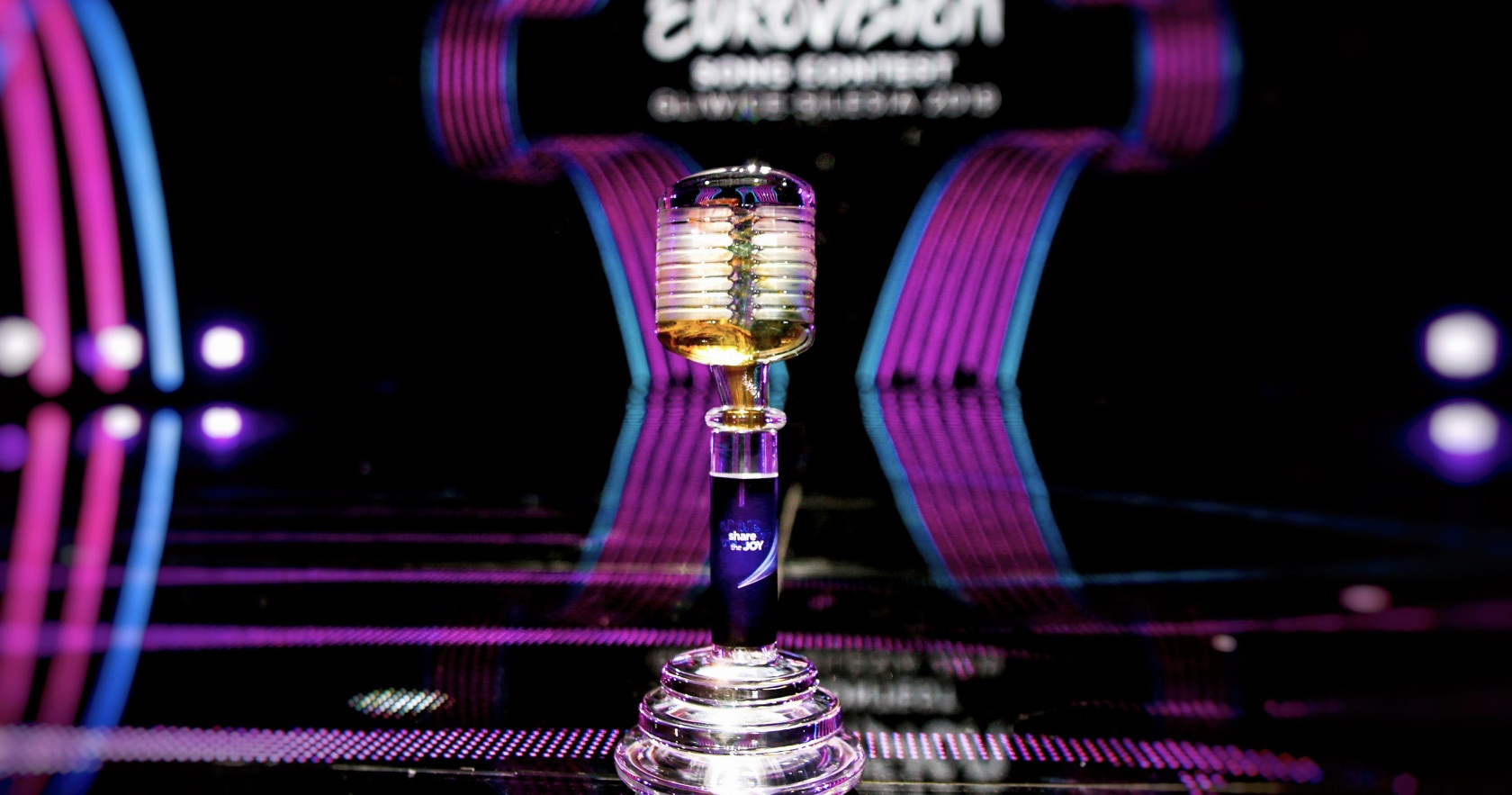
The original design combined a transparent glass body with coloured lines across its upper section. These represented sound waves and evoked the musical diversity of the contest. From its introduction in Tbilisi 2017, the crystal microphone became one of the most recognisable symbols of Junior Eurovision, accompanying the winners for seven editions until the change introduced in Madrid 2024.

A design change that arrived in Madrid 2024
Although the new 2026 design brings back the crystal microphone concept, it is worth remembering that Junior Eurovision renewed its trophy in 2024, coinciding with the contest being held in Madrid (Spain).
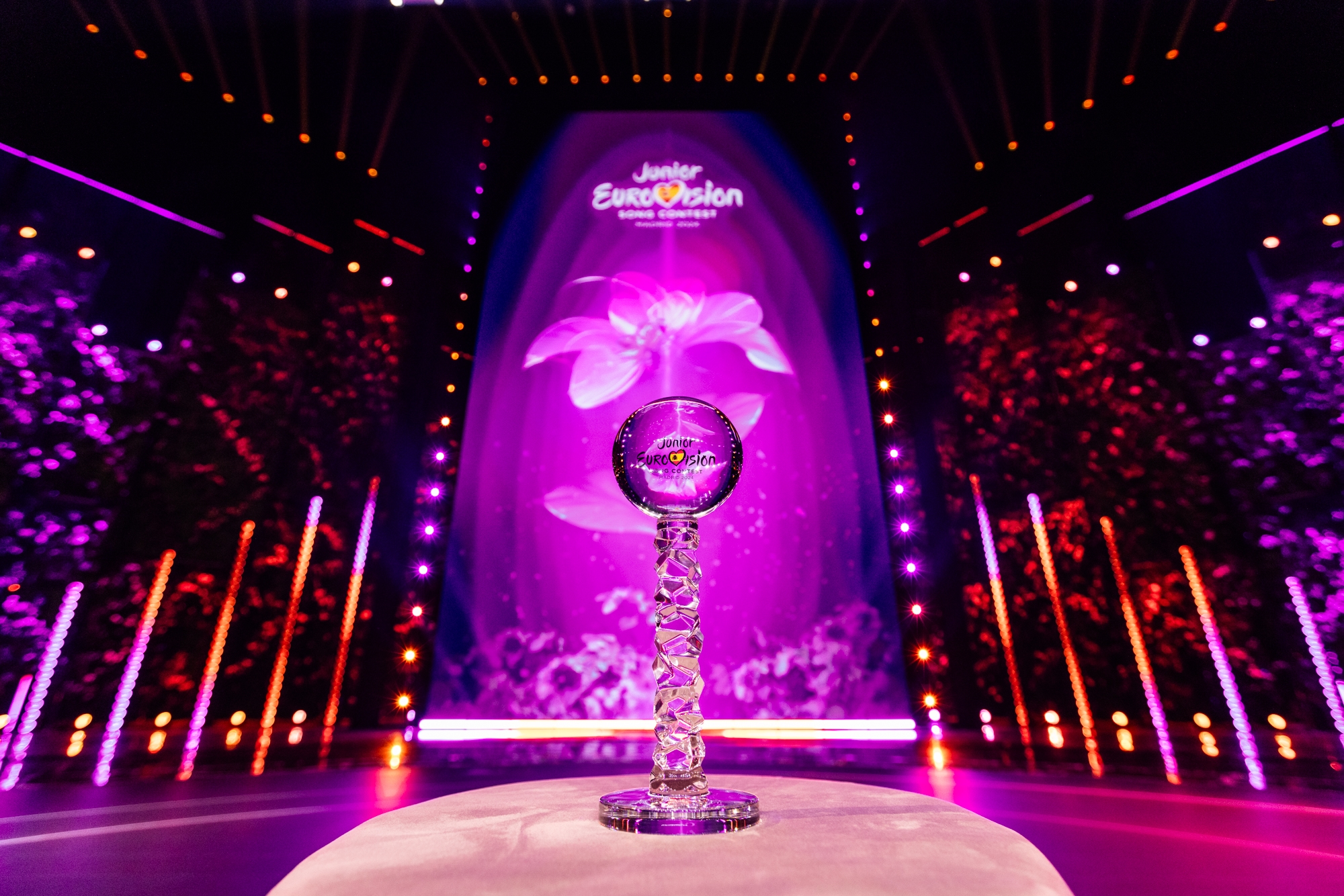
At the time, the EBU unveiled an award that moved away from the shape of a traditional microphone in favour of a more abstract composition. The design featured a cylindrical base, from which emerged a body surrounded by geometric shapes, ending in a sphere that incorporated the official logo of that year’s edition.
Despite this transformation, glass remained the main material. The change was intended to give the award a distinctive aesthetic, tailored to the visual identity of Junior Eurovision.
The evolution of the trophy therefore reflects two different stages: the introduction of a permanent symbol from Tbilisi 2017 onwards, followed by the visual redesign launched in Madrid 2024.

The Eurovision trophy: a symbol of shared identity
The connection between the two trophies is no coincidence. The Eurovision Song Contest has its own crystal microphone, designed by Kjell Engman for Kosta Boda, which has become the award presented each year to the winner of the competition.
Its design evokes a classic microphone and combines transparent glass with elements that reflect the light. The concept was introduced in Belgrade 2008, with the aim of establishing a standard trophy for the different editions of the contest.
Using this award as a reference point creates a clear visual connection between the two competitions, which share the goal of celebrating music and bringing together artists from different countries.
At Junior Eurovision, the trophy also carries a special meaning: it represents recognition of the work of young performers taking some of their first steps in an international music competition.

The design of the award is also a way of telling the story of Junior Eurovision as the contest approaches its 25th anniversary. From the creation of a shared symbol in Tbilisi 2017 to the subsequent visual redesigns, the trophy has accompanied the evolution of a contest that continues to strengthen its own identity while maintaining its connection to the wider Eurovision brand.