

Tick tock! The countdown to the Junior Eurovision Song Contest 2026 is almost over. With just over two weeks to go until the 24th edition of the children’s contest, the picture is now practically complete for a successful television event that is about to celebrate its first quarter of a century.
On Saturday 24 October, Ta’ Qali, an area in the heart of Malta within the local council of Attard, will welcome young artists from across Europe. Malta is hosting the European contest for the third time in its history, a record: no other country has hosted it three times. The island previously hosted Junior Eurovision in 2014 and 2016, so the competition returns to Malta ten years later.
This time, the Maltese broadcaster Public Broadcasting Services Limited (PBS) is the host broadcaster. After months of rumours and intense negotiations, the European Broadcasting Union (EBU) opted for a member with proven experience in hosting this kind of event. It is worth remembering that France, which won in Tbilisi 2025 with Lou Deleuze and “Ce Monde”, declined to host the 2026 contest because of the budget constraints at France Télévisions.
With several options on the table, including San Marino and North Macedonia, the organisers finally confirmed on 15 May, five months after the big musical celebration in Tbilisi, the destination of the 2026 contest: the Malta Fairs & Conventions Centre (MFCC) in Ta’ Qali.
The EBU’s busy calendar has also forced it to bring forward the Junior Eurovision Song Contest, which has traditionally taken place in November or December. The inaugural Eurovision Song Contest Asia (Saturday 14 November in Bangkok, Thailand) led the organisers to move the children’s contest to Saturday 24 October, the first time it has ever been held in October. As another notable new feature, the show will start at 21:00 CEST, the same time as the Eurovision Song Contest, leaving behind the afternoon slot of recent editions.
Last year, in Tbilisi (Georgia), Junior Eurovision held its 23rd edition under the iconic Eurovision slogan “United By Music”, with a show that, according to the EBU, reached 16 million viewers in 14 measured television markets. The Georgian capital welcomed young talents from 18 countries.
Now it is time to look ahead to the 24th edition of Junior Eurovision, without forgetting the long and exciting history of a contest that is close to its 25th anniversary. In Malta, the Mediterranean will once again move to the rhythm of the European contest.
What do we know so far about Junior Eurovision 2026? As of 9 October, the 16 participating broadcasters have finished their work: all artists and songs are known, and the running order, the hosts, the theme art, the stage, the tickets, the official sponsor and the official album have all been revealed.
- The artists and songs of Junior Eurovision 2026
- 16 participating countries at Junior Eurovision 2026
- The running order of Junior Eurovision 2026
- A look back at the national selections and internal selections for Junior Eurovision 2026
- Hosts, theme art, stage, tickets, sponsor and official album
- The official ESCplus playlist with the songs of Junior Eurovision 2026
- The countries that keep their door closed to Junior Eurovision in 2026
- Ta’ Qali, home of Junior Eurovision 2026
- Where will Junior Eurovision 2026 be held? Discover the Malta Fairs & Conventions Centre (MFCC) in Ta’ Qali
The artists and songs of Junior Eurovision 2026
All 16 participating countries have now chosen their representatives and songs for Junior Eurovision 2026. The last piece of the puzzle fell into place on 4 October, when Ireland revealed its entry. These are the young artists who will perform in Ta’ Qali:
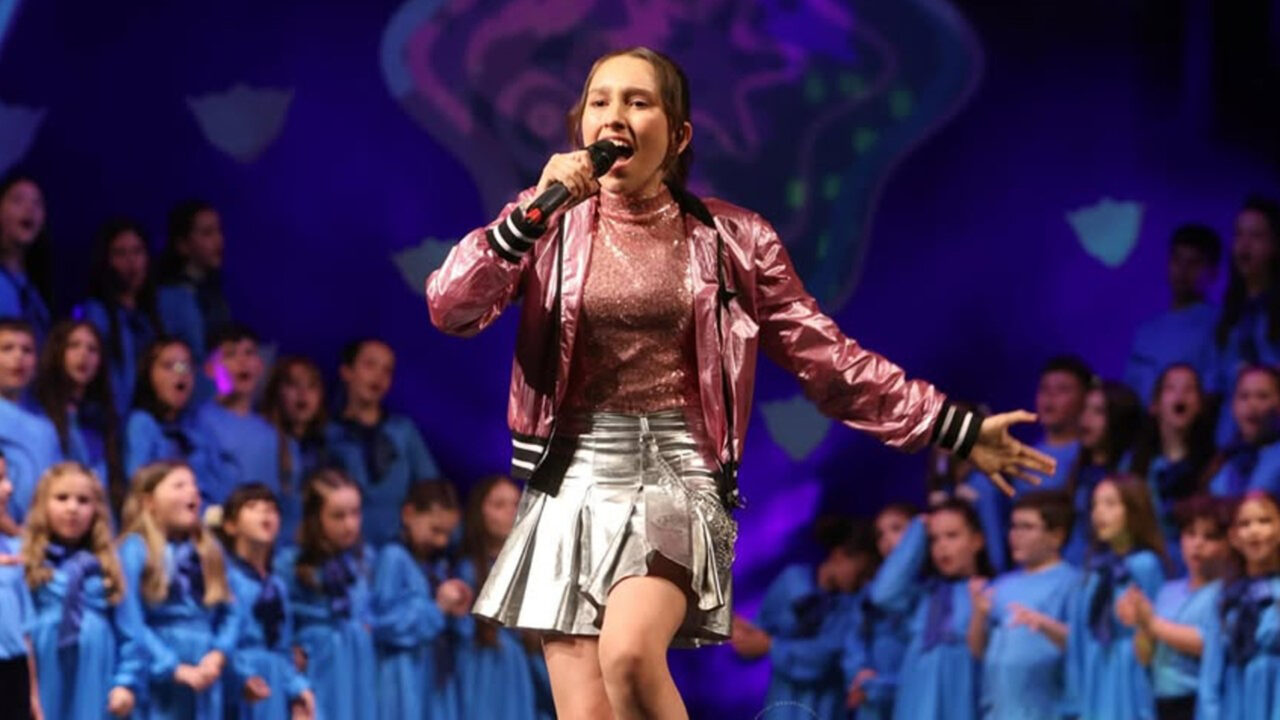
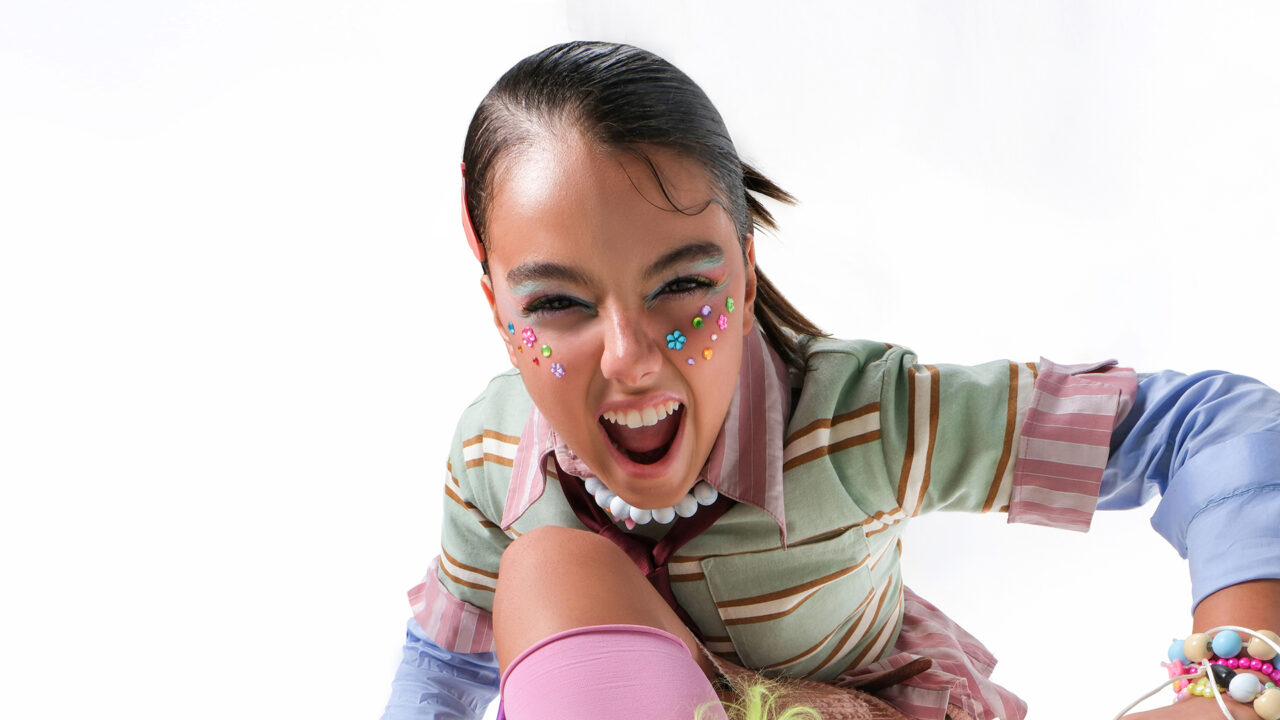
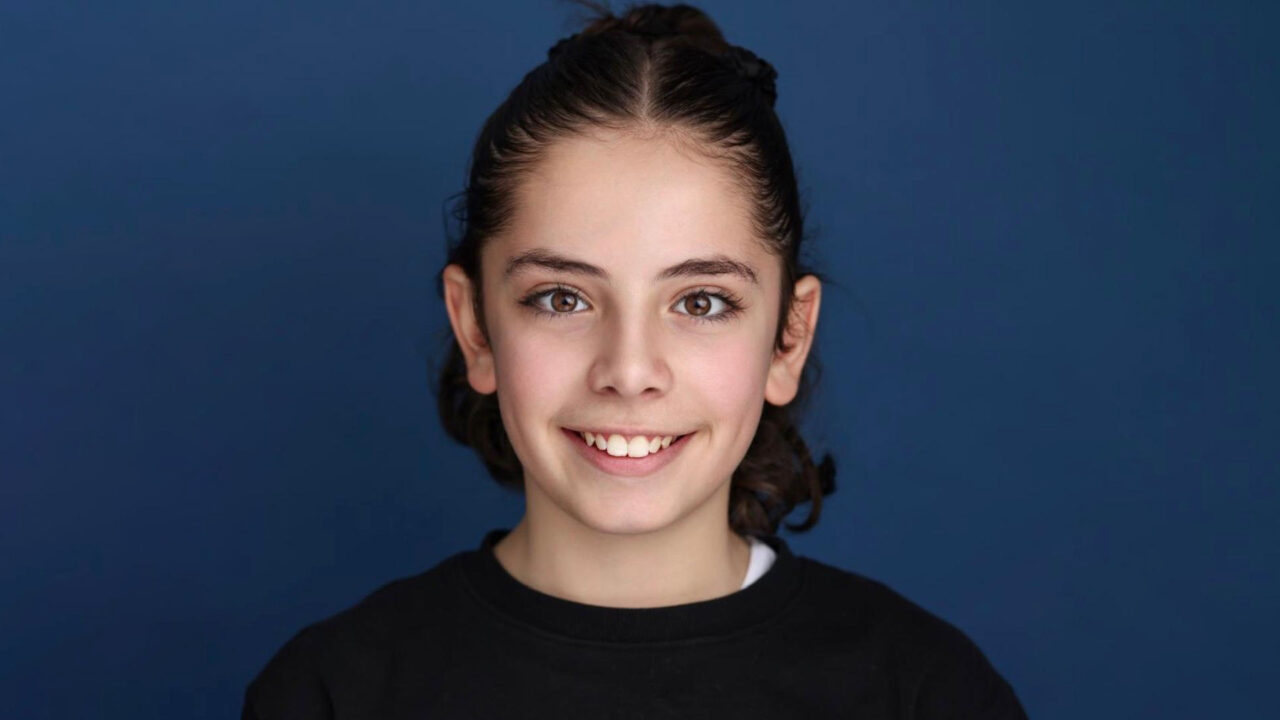
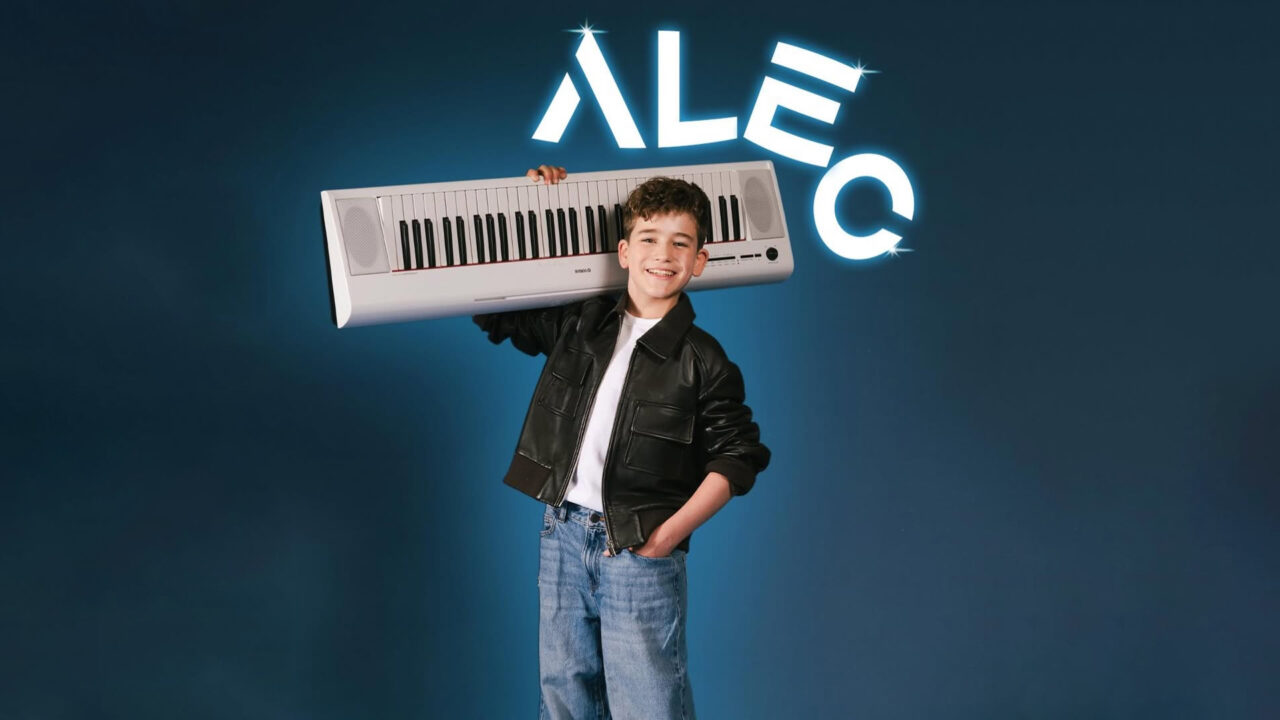
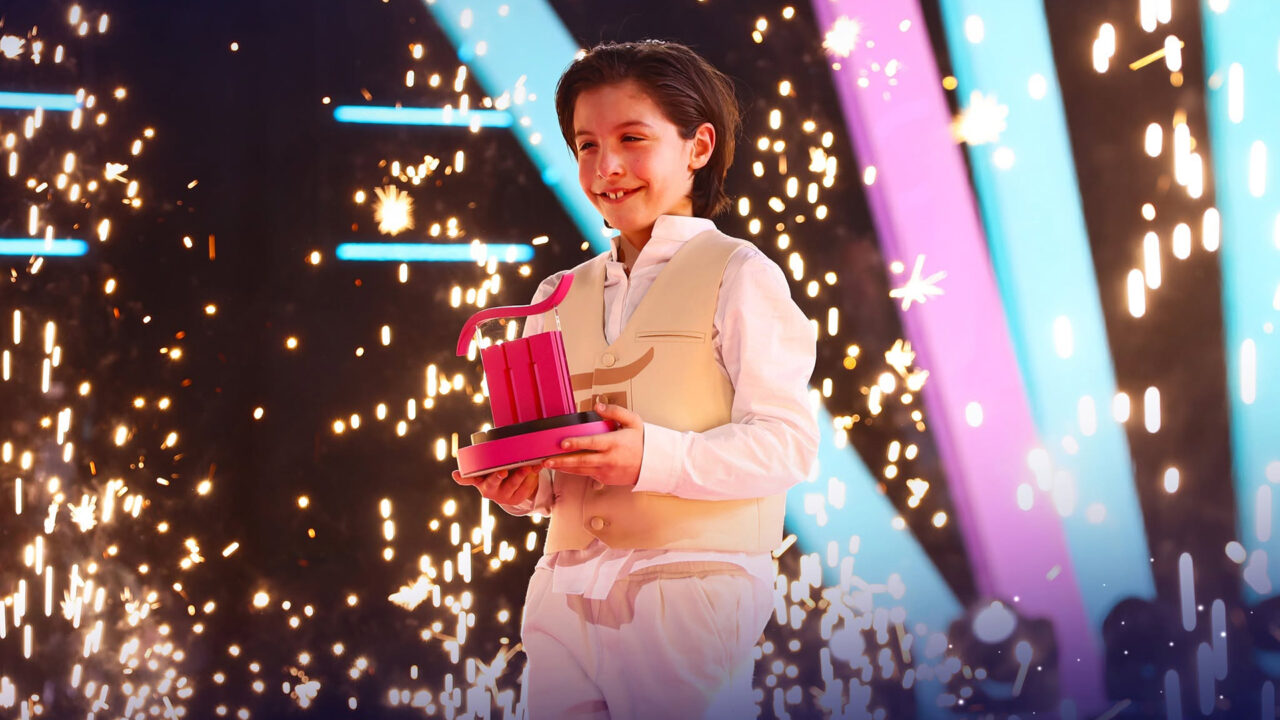
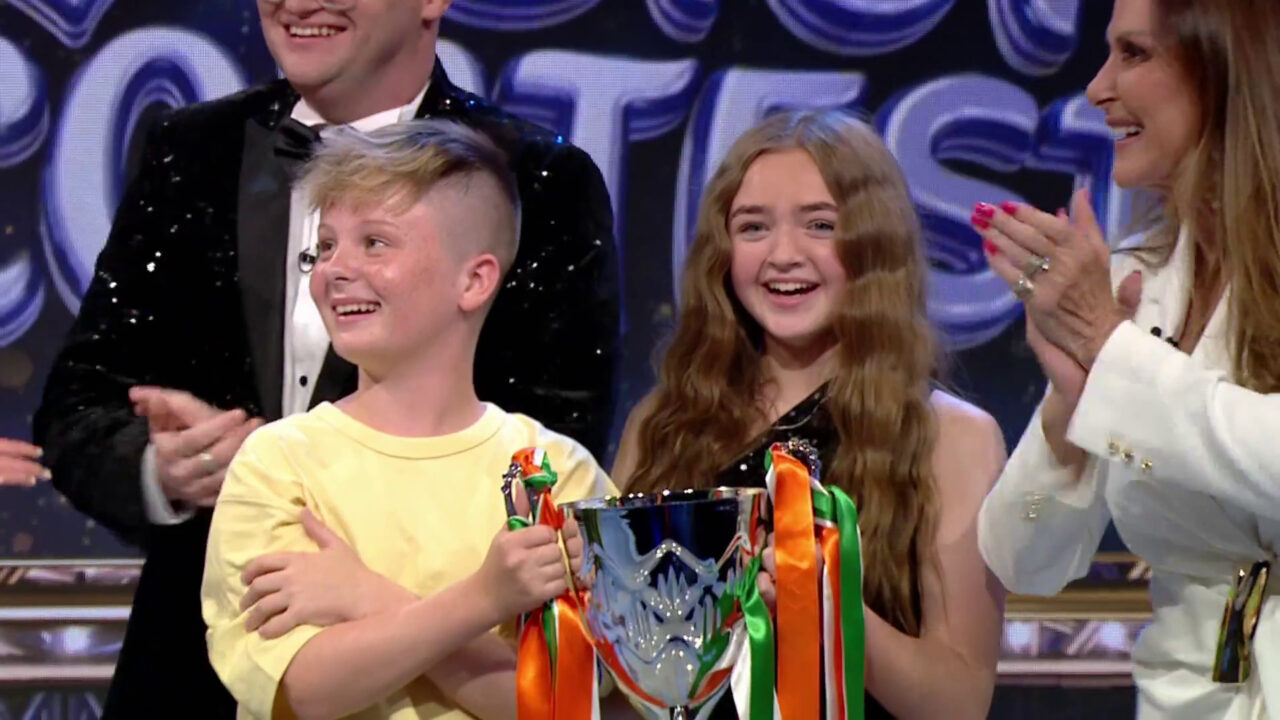
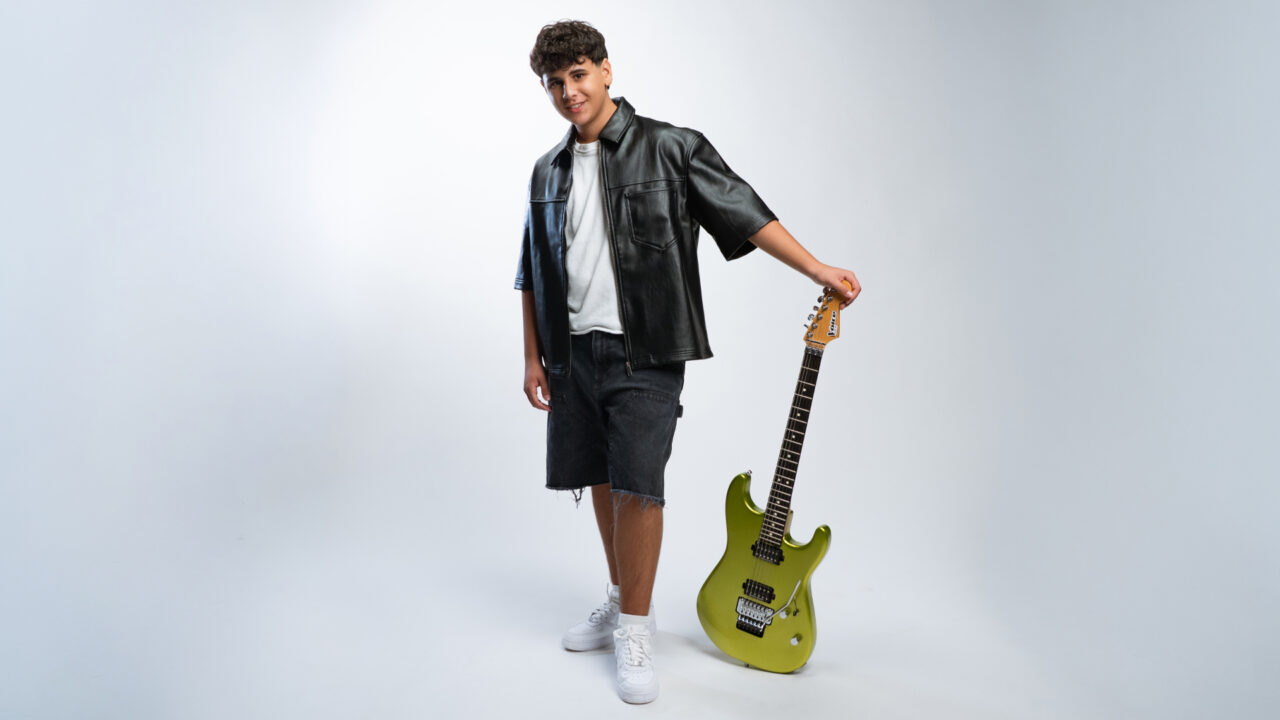
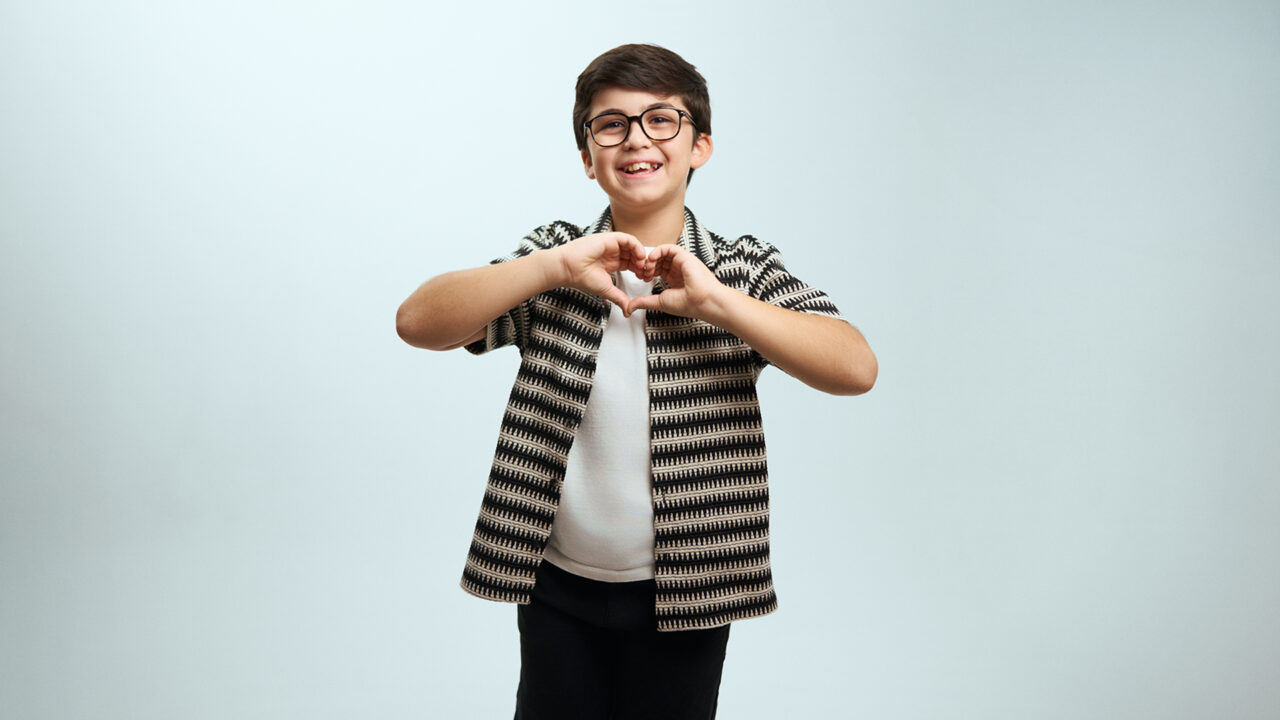
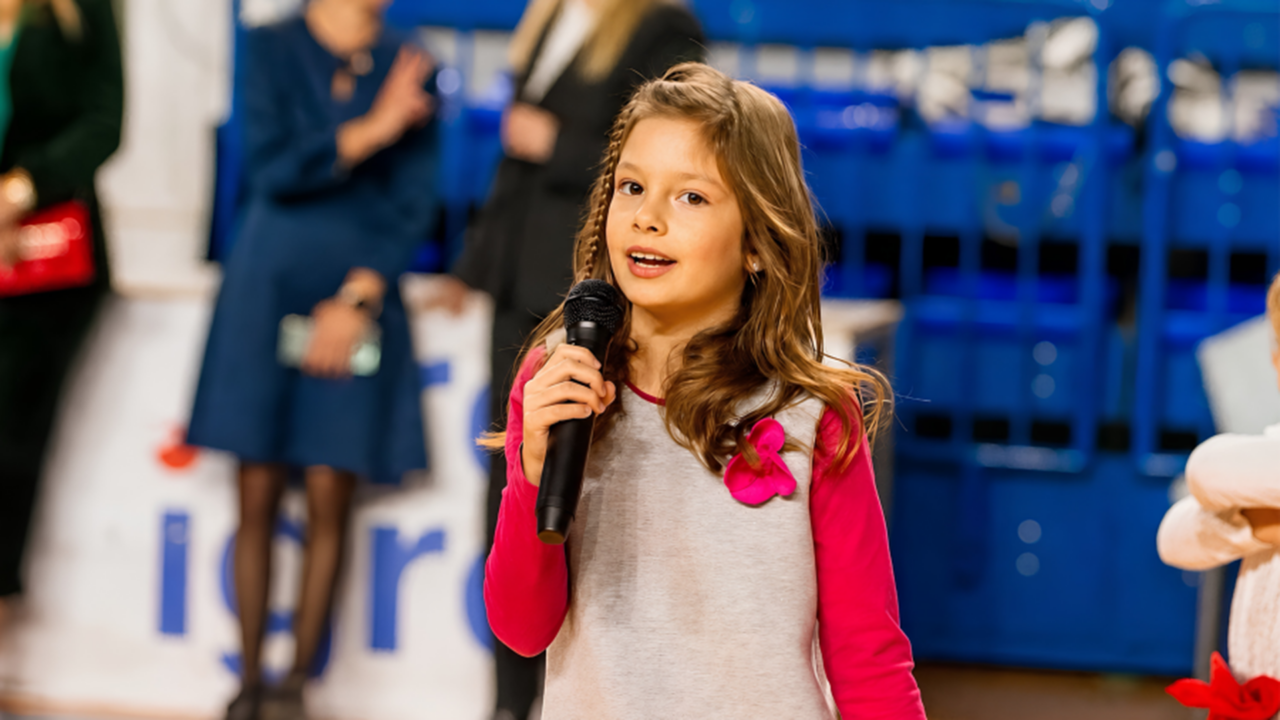
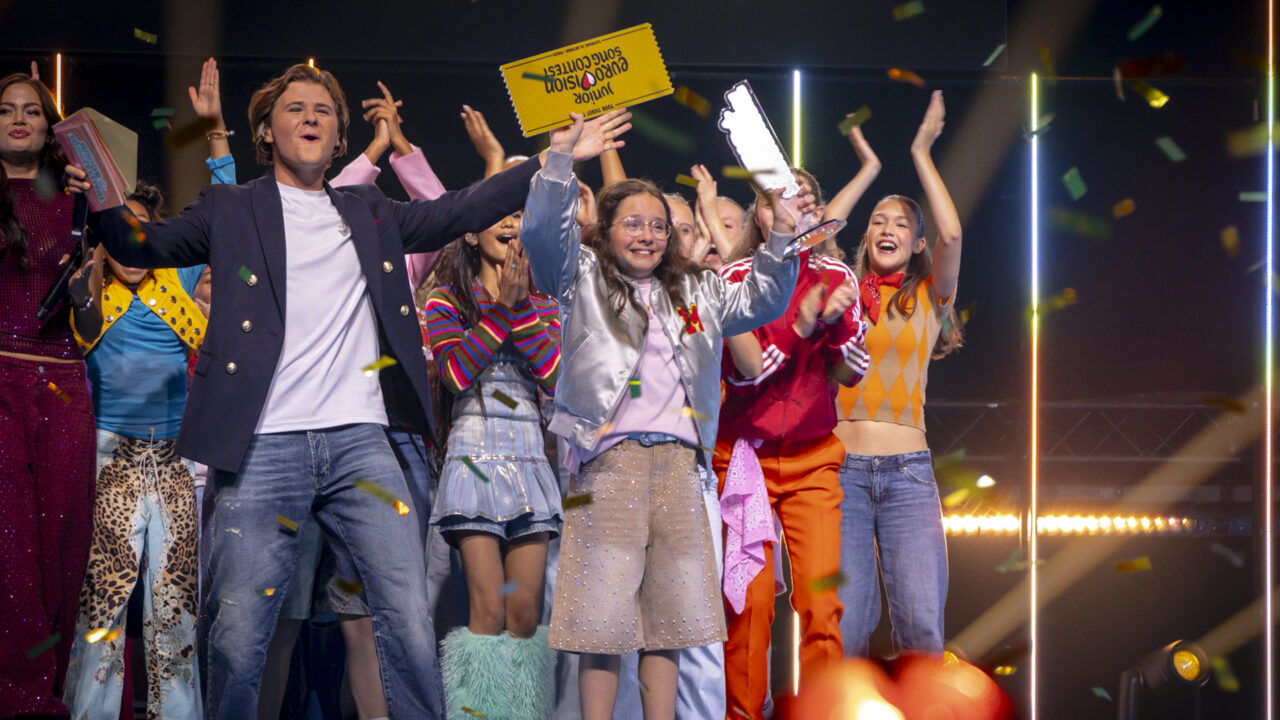

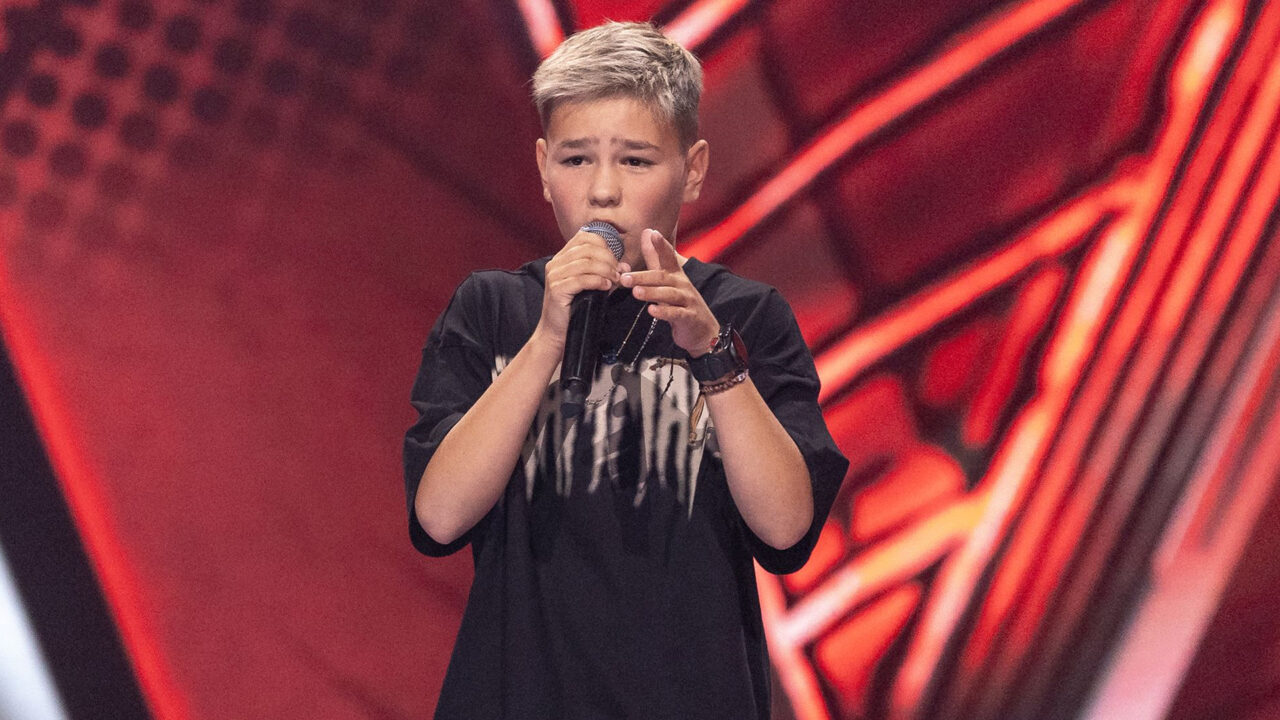
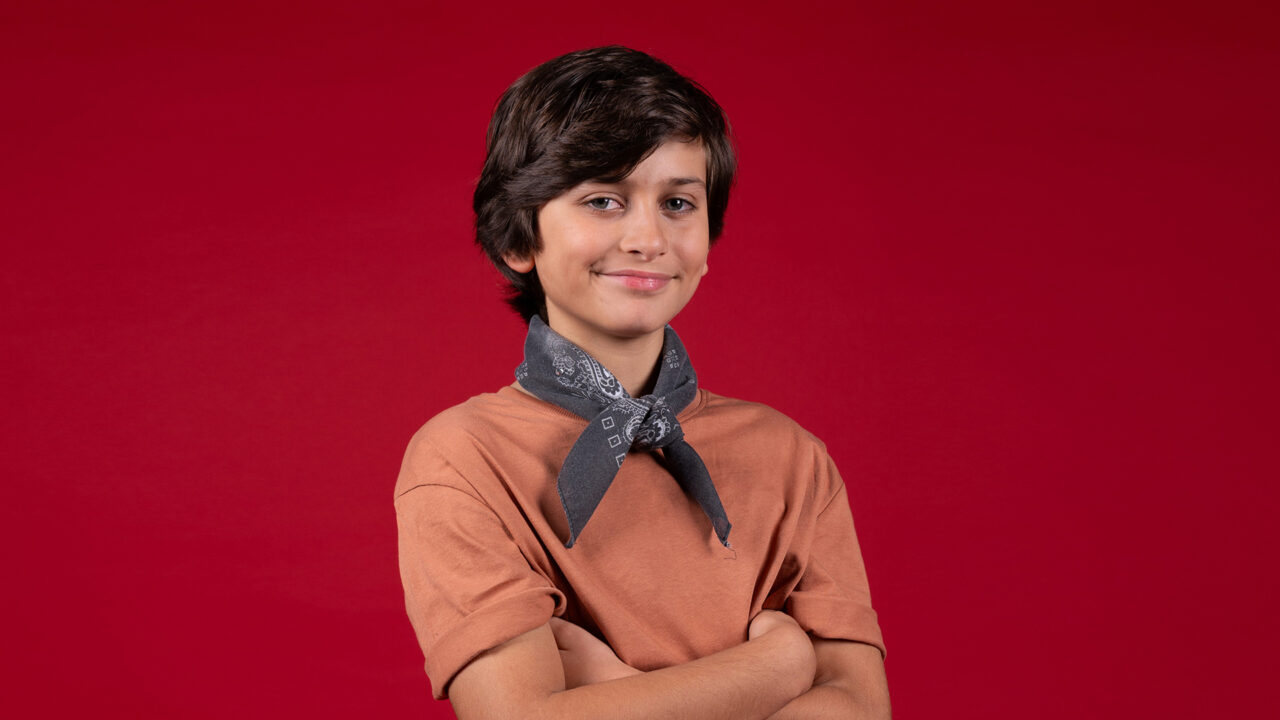
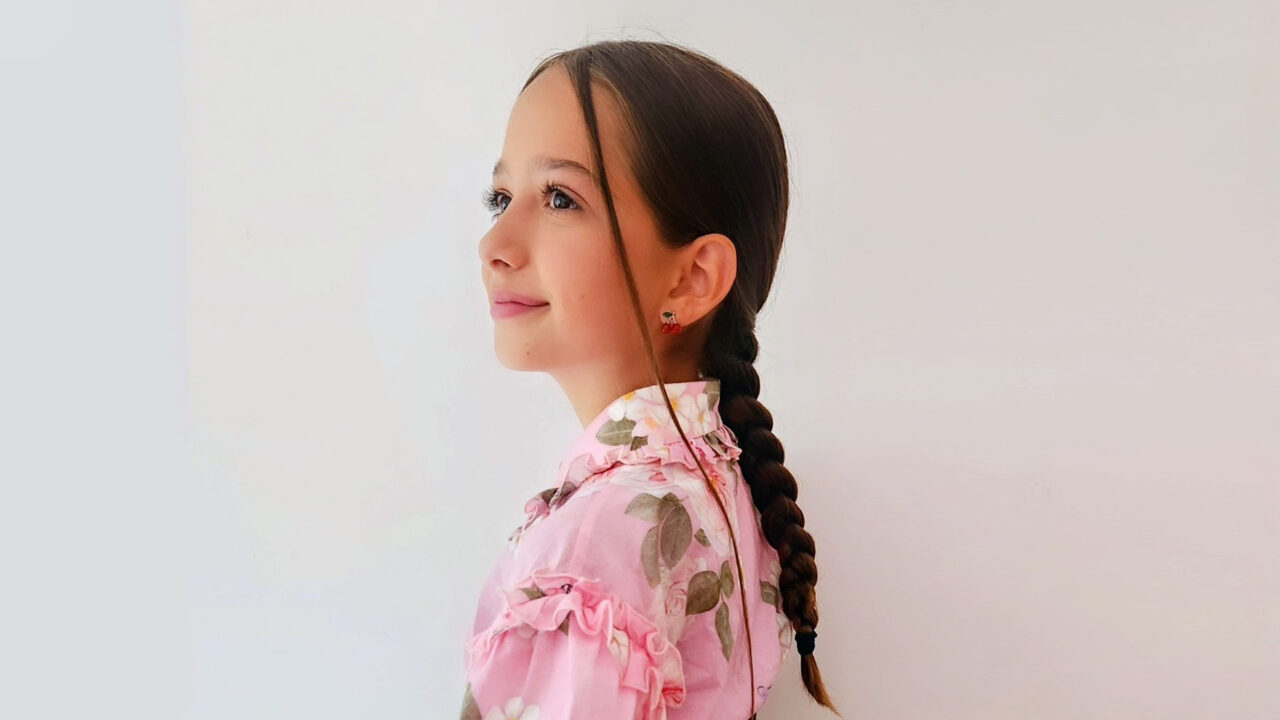
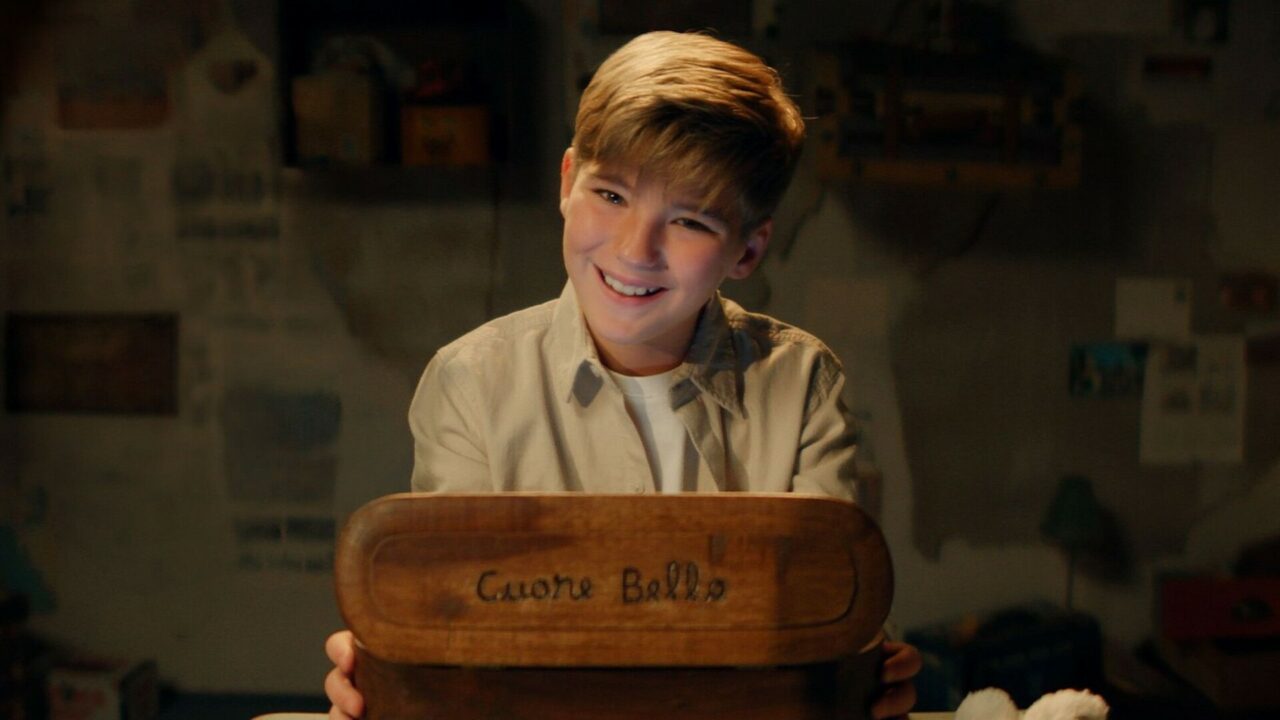
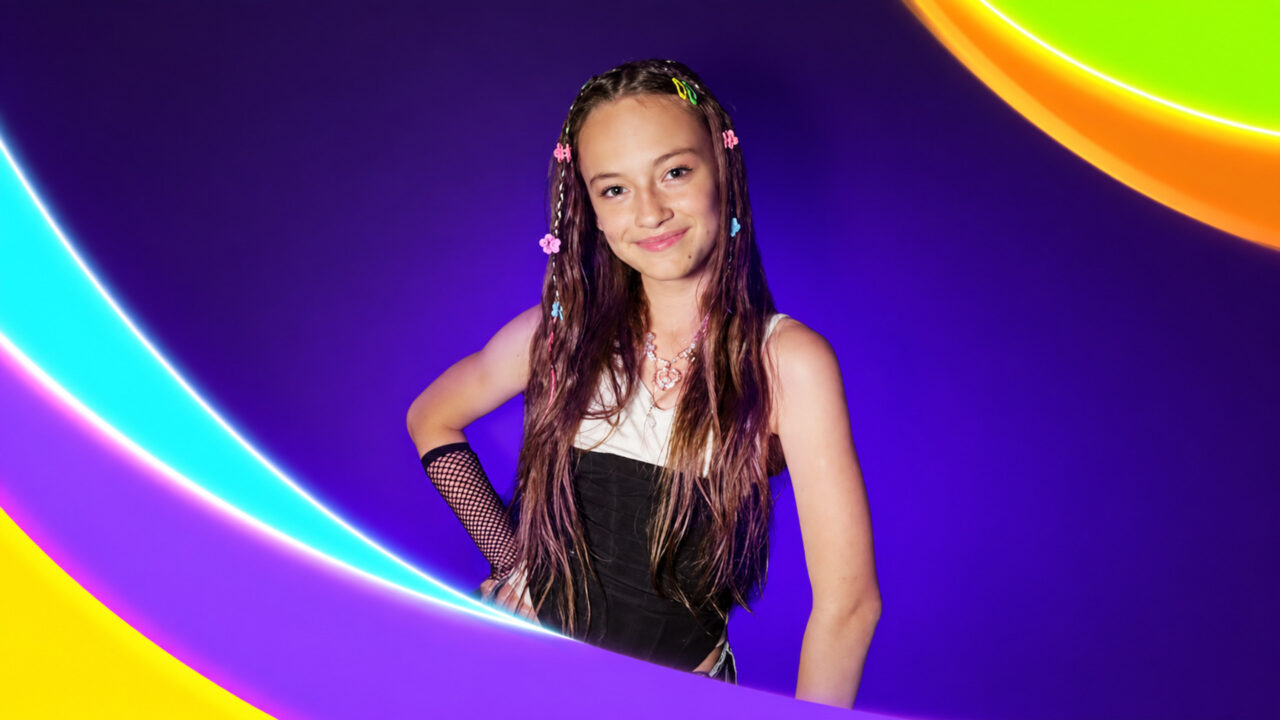
16 participating countries at Junior Eurovision 2026
Over the past months, the different EBU member broadcasters discussed and weighed up their possible participation in Junior Eurovision 2026.
After many rumours and a fair amount of secrecy from some members, the organisers revealed the list of participants on Friday 24 July. This time, 16 countries are competing in Ta’ Qali 2026:
- Albania (RTSH)
- Armenia (AMPTV)
- Cyprus (CyBC)
- France (France Télévisions)
- Georgia (GPB)
- Ireland (TG4)
- Italy (RAI)
- Malta (PBS) [Host broadcaster]
- Montenegro (RTCG)
- Netherlands (AVROTROS)
- North Macedonia (MRT)
- Poland (TVP)
- Portugal (RTP)
- San Marino (San Marino RTV)
- Spain (RTVE)
- Ukraine (Suspilne)
Compared with the 2025 line-up, Azerbaijan and Croatia are the only withdrawals from the 24th edition, in both cases without any reasons being given. With 16 countries, the contest matches the number of participants of its first edition in 2003 and of the 2022 and 2023 editions, two fewer than in Tbilisi 2025.
The running order of Junior Eurovision 2026
On 28 September, the EBU unveiled the complete running order of Junior Eurovision 2026. For the second year in a row, it was decided by a draw, with the entries split into two pots according to their musical style and rhythm. Eliza Borg, who represented Malta at last year’s contest, acted as the “innocent hand” drawing the countries.
Young Maria from the Netherlands will open the show with “Stronger Together”, while Lucas Paulano will close it for Spain with “Cuore Bello (Te Quiero, Te Quiero)”, right after Georgia. The hosts, Malta, will perform ninth.
| Running order | Country | Artist | Song |
|---|---|---|---|
| 01 | Netherlands | Maria | “Stronger Together” |
| 02 | Cyprus | Harry Georgiou | “Who I Can Be” |
| 03 | Portugal | Salvador Rio | “Alma” |
| 04 | Montenegro | Mija Vujović | “Muzika Nas Spaja” |
| 05 | San Marino | Violamarie | “Ruota Panoramica” |
| 06 | France | Alec | “Comment Tu Vas ?” |
| 07 | Poland | Wiktor Sas | “Gravity” |
| 08 | Armenia | Naré | “BOO!” |
| 09 | Malta | Beppe | “Blue Bird” |
| 10 | Italy | Matteo Trullu | “Che Cos’è l’Amore?” |
| 11 | Ukraine | Erika Kolesnichenko | “NOT A LULLABY” |
| 12 | North Macedonia | Ana Stojanoska | “Idnata Jas” |
| 13 | Ireland | Caleb Kirwan & Naomi Gribben | “Níos Láidre” |
| 14 | Albania | Eslin Kurti | “Kërce Me Mua” |
| 15 | Georgia | Davit Lomidze | “Sun on the Rooftops” |
| 16 | Spain | Lucas Paulano | “Cuore Bello (Te Quiero, Te Quiero)” |
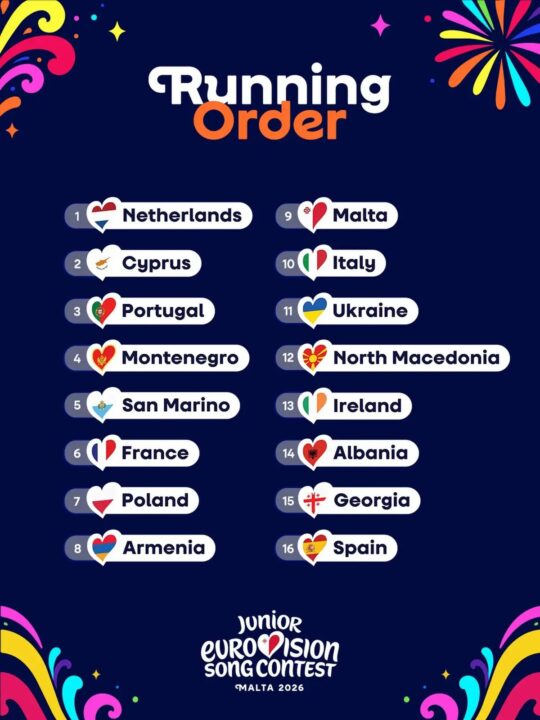
When the running order was published, the public had yet to hear the Irish entry, although the EBU had already received the songs of all 16 participating countries. Ireland filled its slot, 13th, on 4 October.
A look back at the national selections and internal selections for Junior Eurovision 2026
The 16 participating broadcasters have completed the selection processes of their entries for Junior Eurovision 2026, with a mixture of televised national selections and internal selections.
As in previous editions, the Junior Songfestival of the Netherlands, held since 2003, remains the most prominent national selection format.
Not without controversy, the Albanian broadcaster once again chose its entry through the Festivali Mbarëkombëtar i Këngës për Fëmijë, in its 64th edition. However, for 2027, it plans to bring back its Junior Fest.
Meanwhile, the international talent show franchise ‘The Voice Kids’ remains the most widespread selection method. In fact, the representatives of Italy, Malta, Poland and Portugal all come from this television contest.
Albania (RTSH): Eslin Kurti – “Kërce Me Mua” | 64th Festivali Mbarëkombëtar i Këngës për Fëmijë
In 2026, the Albanian broadcaster RTSH kept its participation in Junior Eurovision and its selection method under wraps for months. However, in the middle of rehearsals for the Festivali Mbarëkombëtar i Këngës për Fëmijë and a few days before the start of the competition, the festival’s official Instagram account shared a video in which Leonora Luca, director of the festival’s choir, stated that the competition would serve as the selection for Junior Eurovision for the second year in a row. “There are great expectations for another successful performance by Albania at Junior Eurovision”, she said.
Nevertheless, on 26 May, RTSH announced that it was bringing back the Junior Fest as its selection, which surprised fans and the hopefuls of the festival themselves. The news caused considerable controversy in the country, above all among the participants of the Festivali Mbarëkombëtar i Këngës për Fëmijë. The artists’ parents strongly criticised the decision, explaining that the young talents had entered with the dream of reaching Junior Eurovision 2026.
Finally, to put an end to the controversy, RTSH and the Municipality of Shkodër kept their strategic agreement for the second year in a row, so that the winner of the Junior category would earn the right to represent Albania. RTSH intends to bring back its Junior Fest in 2027, ending its partnership with the municipality.
Over three consecutive nights (from 30 May to 1 June), coinciding with International Children’s Day, the city of Shkodër once again became the centre of children’s music in the Albanian-speaking territories. As a new feature, the festival was held inside the historic Migjeni Theatre. On the first two nights, the 30 hopefuls performed their songs for the first time, 15 per show.
The final took place on Monday 1 June. A professional jury and a children’s jury, each worth 50%, chose the top three of each category; the children’s jury was chaired by Nikol Çabeli, Albania’s representative at Junior Eurovision 2024. As usual, no detailed ranking was published.
Eslin Kurti won the 9-to-14 category (Junior) with “Kërce Me Mua” (“Dance With Me”), composed by Rei Bezhani, with lyrics by Eriona Rushiti and orchestration by Enis Mullaj. Although Eslin was not the first artist of the season to be chosen, hers was the first song of the 24th edition to be heard. On 28 September, Albania released the revamped version of the song together with its official music video.
Armenia (AMPTV): Naré – “BOO!” | Internal selection
On 18 June, Armenia confirmed its participation in Junior Eurovision 2026 and opened its call for artists. For its 19th participation in the children’s contest, AMPTV kept its internal selection with auditions. Applications closed on 30 June, and more than 100 young singers applied, each with live performances of two songs.
40 hopefuls reached the in-person auditions, held from 3 to 12 July at the AMPTV studios in Yerevan. They were assessed by a jury of eight professionals, among them Rosa Linn, Armenia’s representative at the Eurovision Song Contest 2022 with “Snap”, together with an international jury.
On 23 September, AMPTV announced that Naré Kerobyan, known simply as Naré, a 13-year-old singer from Yerevan, will represent the country. According to head of delegation David Tserunyan, it was her fourth attempt to reach the contest. The same evening, the broadcaster premiered “BOO!”, an entry in English and Armenian with music by Lilit Navasardyan and lyrics by Grigor Kyokchyan, also chosen internally.
Cyprus (CyBC): Harry Georgiou – “Who I Can Be” | Internal selection
On 12 June, Cyprus confirmed its presence at Junior Eurovision 2026 and opened two parallel calls to choose its artist and its song separately. As last year, the public broadcaster opted for in-person auditions to pick the performer. Artists could apply until Tuesday 30 June at 12:00 local time (11:00 CEST), and songwriters until Wednesday 8 July, also at 12:00 local time (11:00 CEST).
CyBC received 209 applications, of which 145 met the requirements. A panel of experts invited 45 children to the final castings, which ended on Friday 10 July, where each of them sang a song of their choice live over a backing track. Each jury member scored the performances with the Eurovision scale of 1 to 8, 10 and 12 points, and the singer with the highest total won.
The winner was Harry Georgiou, then 13 years old, announced on Monday 13 July in the evening news bulletin ‘Kentrikó Deltío Eidíseon’ on RIK 1. His song, “Who I Can Be”, was released on Thursday 24 September together with its official music video. It was written by Laurell Barker, Anna-Klara Folin, Nathalie Brydolf, Victoria Chalkitis and Thomas Stengaard, who also produced, mixed and mastered it. It will be the 12th Cypriot entry in the contest.
Spain (RTVE): Lucas Paulano – “Cuore Bello (Te Quiero, Te Quiero)” | Internal selection
Spain will not miss its annual appointment with Junior Eurovision. Before RTVE made it official, the EBU confirmed Spain’s participation in 2026 when it published the official list of participants. Despite not taking part in the Eurovision Song Contest 2026 in protest at Israel’s presence, the Spanish broadcaster kept its commitment to the children’s contest, in what will be its 12th participation. The confirmation came unusually late, which fuelled rumours of a possible withdrawal.
On Thursday 30 July, the programme ‘El perro andaluz’, hosted by comedian Manu Sánchez, revealed the Spanish representative: Lucas Paulano, a 10-year-old singer from Jaén who won the 10th edition of ‘La Voz Kids’ on Antena 3 in 2025. As a new development, and unlike the open casting used between 2022 and 2025, RTVE chose its artist internally without a public call: a committee held a two-day casting with 16 young artists, contacted through industry professionals.
The song title, “Cuore Bello (Te Quiero, Te Quiero)”, was revealed on 2 September at the presentation of RTVE’s new season. It was written by Dangelo, Blas Cantó (Spain’s representative at the Eurovision Song Contest 2021) and Carlos Almazán, with the participation of Lucas Paulano himself. Its message revolves around the Latin root of the Spanish word for “remember”, which means “to pass through the heart again”. The song was premiered on 28 September at a press conference at Prado del Rey, and Spain will close the show in 16th position.
France (France Télévisions): Alec – “Comment Tu Vas ?” | Internal selection
On 14 May, France confirmed its participation in Junior Eurovision 2026. Although it declined to host the contest after its victory with Lou Deleuze in Tbilisi 2025, France Télévisions remains committed to the competition. As has been usual since its return in Minsk 2018, France chose its representative internally for what will be its 10th participation.
On Saturday 20 June, the French public broadcaster took advantage of the Fête de la Musique to reveal its choice. At the concert held at the Théâtre Antique d’Orange, Monroe, France’s representative at the Eurovision Song Contest 2026 with “Regarde!”, and presenter Laury Thilleman announced the name of the artist: Alec Burette, a 12-year-old singer and pianist, who competes simply as Alec.
His entry, “Comment Tu Vas ?” (“How Are You?”), written by Alec himself, was released on Thursday 24 September with its official music video.
Georgia (GPB): Davit Lomidze – “Sun on the Rooftops” | Ranina 2026
Georgia opened applications for Ranina 2026 in September 2025, for children aged 8 to 13, a few weeks before Ranina 2025 began airing. Taking advantage of Junior Eurovision 2025 being held in Tbilisi, the competition was officially presented as Georgia’s selection, so that its winner would represent the country at the next edition.
After several days of in-person castings, the organisers chose the 10 hopefuls for the televised shows, whose names GPB revealed on 19 February. Ranina, the popular children’s competition that has served as Georgia’s selection for the previous eight editions, was once again hosted by David Aladashvili and Vache Gviniashvili, the most successful and popular television duo in the country.
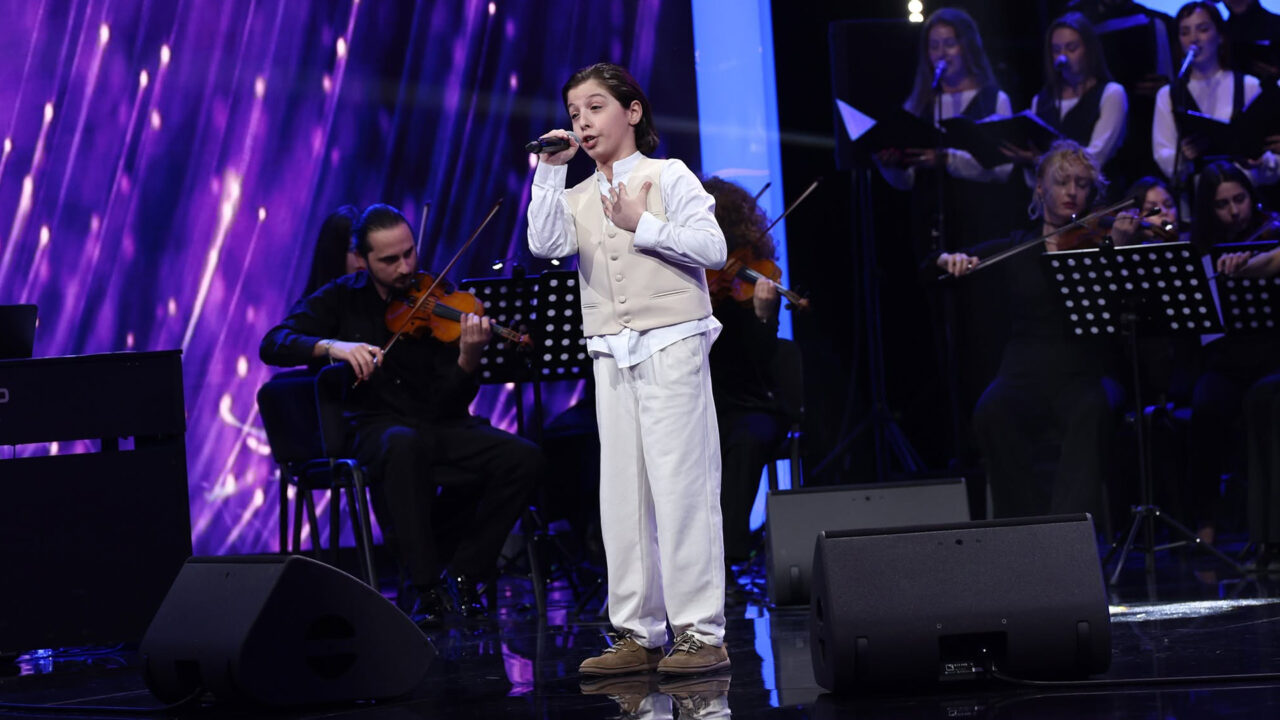
As usual, the ten young artists competed in a marathon selection with four preliminary rounds of two shows each, performing songs of many styles, with a special focus on traditional Georgian music and international songs in other languages. In each show they were assessed by a three-member professional jury, with Dato Evgenidze and Nato Metonidze as permanent judges.
Liliana Chachanidze, Zurab Naskidashvili, Davit Lomidze, Toma Turkadze, Nita Nabashvili and Ana Tavdgiridze reached the semi-final, and Liliana Chachanidze, Davit Lomidze and Zurab Naskidashvili made it to the grand final. The professional jury, made up of Nato Metonidze, Davit Tsintsadze, leader of the folk group Shavnabada, and Sopho Khalvashi, Georgia’s first Eurovision representative in 2007 with “Visionary Dream” (12th with 97 points), had the final say.
Davit Lomidze won Ranina 2026 on 6 June. His song, “Sun on the Rooftops”, chosen internally by GPB, was presented on 16 September. It was composed by Giga Kukhianidze, the author behind Andria Putkaradze’s victory in Madrid 2024. With it, Davit will try to bring Georgia its fifth crystal microphone, in the country’s 20th participation.
Ireland (TG4): Caleb Kirwan & Naomi Gribben – “Níos Láidre” | Junior Eurovision Éire 2026
Ireland opened applications for Junior Eurovision Éire 2026 on 30 January, and they closed on Sunday 1 March at 00:55 local time (01:55 CET). As in previous editions, no original song was needed to apply, since the entry is assigned afterwards.
The national selection, hosted by Louise Cantillon, started on Sunday 13 September on TG4, with a first programme presenting the 10 hopefuls chosen at auditions in shopping centres in Athlone, Cork and Dublin. Two heats (20 and 24 September) and a semi-final (27 September) followed, with a professional jury deciding who stayed in the competition.
At the final on Sunday 4 October, Caleb Kirwan, Naomi Gribben and Isa-Mae Lyle performed Irish-language versions of international songs. In a historic decision, the jury of Niamh Ní Chróinín, Hugh Carr and Linda Martin, winner of the Eurovision Song Contest in 1992, gave the victory to both superfinalists. Caleb Kirwan and Naomi Gribben will be the first duo to represent Ireland at Junior Eurovision, with “Níos Láidre”, which was released minutes after the final.
Italy (RAI): Matteo Trullu – “Che Cos’è l’Amore?” | ‘The Voice Kids Italia’
Italy continues its Junior Eurovision adventure. Radiotelevisione Italiana (RAI) confirmed its participation on 2 June, when it presented the new programming of Rai Kids, and stressed that it would once again rely on ‘The Voice Kids Italia’, in collaboration with Universal Music Italia, to choose its entry.
In recent years, Italy’s representatives have all come from the talent show: Melissa Agliottone, who shared the stage with Ranya Moufidi (2023), Simone Grande (2024) and Leonardo Giovannangeli (2025).
On 16 September, RAI confirmed that its representative will be Matteo Trullu, a singer and multi-instrumentalist from Decimomannu (Sardinia) who won the fourth edition of ‘The Voice Kids Italia’ in February 2026 as part of Nek’s team. His entry, “Che Cos’è l’Amore?”, chosen internally, was released on 25 September with its official music video.
North Macedonia (MRT): Ana Stojanoska – “Idnata Jas” | Internal selection
North Macedonia’s participation was one of the first to be confirmed. On 3 November, Makedonska Radio Televizija (MRT) announced that it would remain in the children’s contest, describing it as a “permanent educational platform” and “an investment in the new generations”.
On 19 May, it opened its call for artists and original songs. The auditions took place on Monday 1 June from 10:00 CEST at the MRT studios, where a panel of experts assessed the vocal, artistic and stage qualities of the participants. The castings, broadcast on Tuesday 16 June from 20:15 CEST on MRT 1, included a final round with nine artists:
| Artist | Song 1 | Song 2 |
|---|---|---|
| Ana Stojanoska | “O, Ezero Moe” by Karolina Gočeva | “Proud” by Tamara Todevska |
| Anastasija Marinoska | “From the Start” by Laufey | “Part of Your World” by Jodi Benson (‘The Little Mermaid’) |
| Iris Dojčinovska | “Padam, Padam…” by Edith Piaf | “Once Upon a December” by Liz Callaway (‘Anastasia’) |
| Iva Molovska | “Empire State of Mind” by Alicia Keys | “Listen” by Beyoncé |
| Jana Dimitrovska | “Eve Me Pak” by Aleksandra Janeva | “Part of Your World” by Jodi Benson (‘The Little Mermaid’) |
| Jovana Taseva | “I Have Nothing” by Whitney Houston | “Majka” by Spasen Siljanoski |
| Kaja Dimitrova | “Voilà” by Barbara Pravi (France 2021) | “Gabriela” by Katseye |
| Marija Stojanovska | “Nemirna” by Sergej Pajić | “Set Fire to the Rain” by Adele |
| Mihaela Purdeska | “Part of Your World” by Jodi Benson (‘The Little Mermaid’) | “Damn Your Eyes” by Etta James |
That same evening, the second edition of ‘Dnevnik’, the MRT 1 news bulletin broadcast from 19:30 CEST, announced that Ana Stojanoska will represent North Macedonia with “Idnata Jas” (“My Future Self”), composed by Nikola Micevski with lyrics by Ilcho Nechovski. According to the minutes of the selection, the jury chose both the artist and the song unanimously.
The song, which combines Macedonian and English and features traditional instruments such as the tambura and the kaval, was presented with its official music video on 23 September.
Malta (PBS): Beppe – “Blue Bird” | ‘The Voice Kids Malta’
On 25 May, Malta began the search for its representative with the call for the third edition of ‘The Voice Kids Malta’, open to artists aged 9 to 14. Like Poland and Portugal, Malta chose its representative through its national version of the international format, whose winner would succeed Eliza Borg.
The show started on Monday 7 September on TVM 1, airing from Monday to Friday. The finalists took part in a songwriting camp to create original songs for the contest. On Saturday 19 September, Beppe Caruana, an 11-year-old singer from Gaia Cauchi’s team, beat fellow superfinalists Maya Galea and Zeah Aquilina in a final decided exclusively by a jury.
His entry, “Blue Bird”, chosen internally by PBS, was released on Friday 25 September. It was written by Matthew “Muxu” Mercieca, co-writer of Malta’s two Junior Eurovision winners, Matthew James Borg and MATT BLXCK, together with Beppe himself. The hosts will perform ninth.
Montenegro (RTCG): Mija Vujović – “Muzika Nas Spaja” | Internal selection
After its return in Tbilisi 2025, Montenegro will once again take part in Junior Eurovision. At first, Radio Televizija Crne Gore (RTCG) gave no details of its participation, which was confirmed by the EBU when it revealed the official list of participants.
On 3 August, RTCG announced that Mija Vujović, a 9-year-old singer from Podgorica, had been chosen internally after a notable track record at children’s festivals in Montenegro and the Balkan region. That same day, in the summer programme ‘Više od ljeta’, she revealed the title of her song, “Muzika Nas Spaja” (“Music Unites Us”), written by Marko Kon, Serbia’s representative at the Eurovision Song Contest 2009, and Vasilije “Vasco” Čolan. The song was released in late September and will be Montenegro’s fourth entry in the contest.
Netherlands (AVROTROS): Maria – “Stronger Together” | Junior Songfestival 2026
A few minutes after Junior Songfestival 2025 ended, AVROTROS opened applications for the next edition, which stayed open for more than four months. By the deadline on 25 January, the competition had received 1,600 applications from children aged 9 to 14, a new record and 400 more than the previous year. As no original song was needed, the call was open both to young artists with experience and to newcomers.
An internal committee shortlisted 68 hopefuls for the in-person auditions of 7 and 8 March, with a day of dancing and a day of singing at the Junior Songfestival Academy. After the final round of auditions on 22 March, the nine finalists were revealed between 29 May and 5 June: Nolan, Noud, Benjamin, Lay, Zoë, Saige, Catelynn, Maria and Vajèn. They were split into four acts (three soloists and one group), whose original songs were presented between 6 and 10 July together with the group song “Make It Happen”.
The final took place on 19 September at the RTM Stage Ahoy in Rotterdam, hosted by Stefania Liberakakis and Matheu Hinzen. Vajèn (“Here I Am”), Nolan (“Crush”), Maria (“Stronger Together”) and The Crossovers (“Crossovers”) faced an adult jury, a children’s jury and an online vote. In one of the closest results in the history of the show, with only 4 points between first and fourth, Maria won thanks to the professional jury, while the children’s jury preferred Vajèn and the online vote The Crossovers.
“Stronger Together”, written by Mell Jonk and Ton Dijkman, will be the 24th Dutch entry at Junior Eurovision; the Netherlands has taken part in every edition since Copenhagen 2003. Maria will open the show.
Poland (TVP): Wiktor Sas – “Gravity” | ‘The Voice Kids Poland’
Since 2026, ‘The Voice Kids Poland’ has officially been the Polish selection, although in 2025 one of its finalists, Marianna Kłos, was chosen internally to represent the country in Tbilisi. The ninth edition began in late February with its usual format: each coach had a team of 18 artists and, after the Battles and the Knockouts, nine finalists (three per team) remained.
The coaches included two former Polish Eurovision representatives, Cleo (2014) and Blanka (2023), together with Mikołaj Maciej Trybulec “Tribbs”. The final was held on Saturday 9 May on TVP 2, in a hybrid pre-recorded and live format hosted by Paulina Chylewska and Michalina Sosna. Each coach chose one artist for the superfinal, where the winner was decided exclusively by the public via SMS vote.
Wiktor Sas, then 13 years old and part of Tribbs’ team, beat Oliwia Johnson (team Cleo) and Antosia Grobelna (team Blanka), becoming the first artist of the 2026 contest to be chosen. Besides the trophy, he won a recording contract with Warner Music Poland and a grant of 50,000 złoty (around €11,800) to support his debut.
His song was born at an international songwriting camp organised by Tribbs and Warner Music Poland in Warsaw from 29 June to 1 July, which brought together songwriters, producers and performers such as Lanberry, Koder, Coach Harrison, Bryska, Miggy Dela Rosa, Monika Wydrzyńska, Konrad OldMoney, Michał Majak, Magdalena Wójcik, Andrzej “Dizzma” Jaworski and the Belgian duo Midfall.
The result is “Gravity”, a pop song with electronic sounds in English and Polish, written by Tribbs, Lanberry, Koder and Coach Harrison and released on Friday 18 September. With it, Wiktor Sas will try to win Poland’s third crystal microphone.
Portugal (RTP): Salvador Rio – “Alma” | ‘The Voice Kids Portugal’
Portugal confirmed its participation in Junior Eurovision 2026 at the end of last year, announcing that it would once again rely on ‘The Voice Kids Portugal’. The seventh edition of the talent show began on 19 April with the Blind Auditions (‘Provas Cegas’), with Miguel Cristovinho, Diogo Piçarra, Nena and Cuca Roseta as coaches.
40 young artists took part in the Blind Auditions, broadcast in three shows between 19 April and 3 May. This edition introduced important changes: the number of shows was reduced and the Battles were dropped, so the 23 contestants who joined a team went straight to the two pre-recorded semi-finals of 10 and 17 May, where only the coaches decided who went through.
The live final took place on Sunday 24 May with eight finalists. The winner was chosen exclusively by the public in two rounds; the second brought together Vitória Fernandes, Salvador Rio, Ana Rita Torres and Daniela Fontão. Salvador Rio, then 11 years old, received the most votes.
His coach, Diogo Piçarra, composed and produced his entry, “Alma”, which RTP released on 23 September with a music video filmed at the broadcaster’s headquarters.
San Marino (San Marino RTV): Violamarie – “Ruota Panoramica” | Internal selection
After its return in Madrid 2024, San Marino will once again take part in Junior Eurovision. At first, San Marino RTV gave no details of its participation, which was confirmed by the EBU when it revealed the official list of participants.
On 8 September, the broadcaster announced that it had internally chosen Violamarie, an 11-year-old Italian singer, for its sixth participation in the contest and its third in a row. Her entry, “Ruota Panoramica” (“Ferris Wheel”), a pop song in Italian and English written by Emilio Munda, Piero Romitelli and Denny Montesi, was released on 25 September. Last year, Martina CRV achieved San Marino’s best result, 9th place with 125 points.
Ukraine (Suspilne): Erika Kolesnichenko – “NOT A LULLABY” | National Selection
On 11 June, Ukraine confirmed its participation in Junior Eurovision 2026 and, a few days later, opened applications, which closed on Wednesday 8 July. As in 2023, 2024 and 2025, singer-songwriter Svitlana Tarabarova was the music producer of the selection for the fourth time.
On 24 July, Suspilne revealed the 15 shortlisted artists, who performed at in-person auditions on 26 July. Ten of them went on to the traditional “star school”, a summer music camp, and six finalists were announced on 26 August. A draw assigned each of them songs by Svitlana Tarabarova or alyona alyona.
The televised final, initially planned for 13 September, was postponed to Saturday 26 September because of the worsening security situation in the country. With 50% jury and 50% public vote, Erika Kolesnichenko from Bila Tserkva and Zlata Solonenko tied on 11 points; the public vote, which Erika won, broke the tie. Her song, “NOT A LULLABY” (“NE kolyskova”), was written by Svitlana Tarabarova.
Hosts, theme art, stage, tickets, sponsor and official album
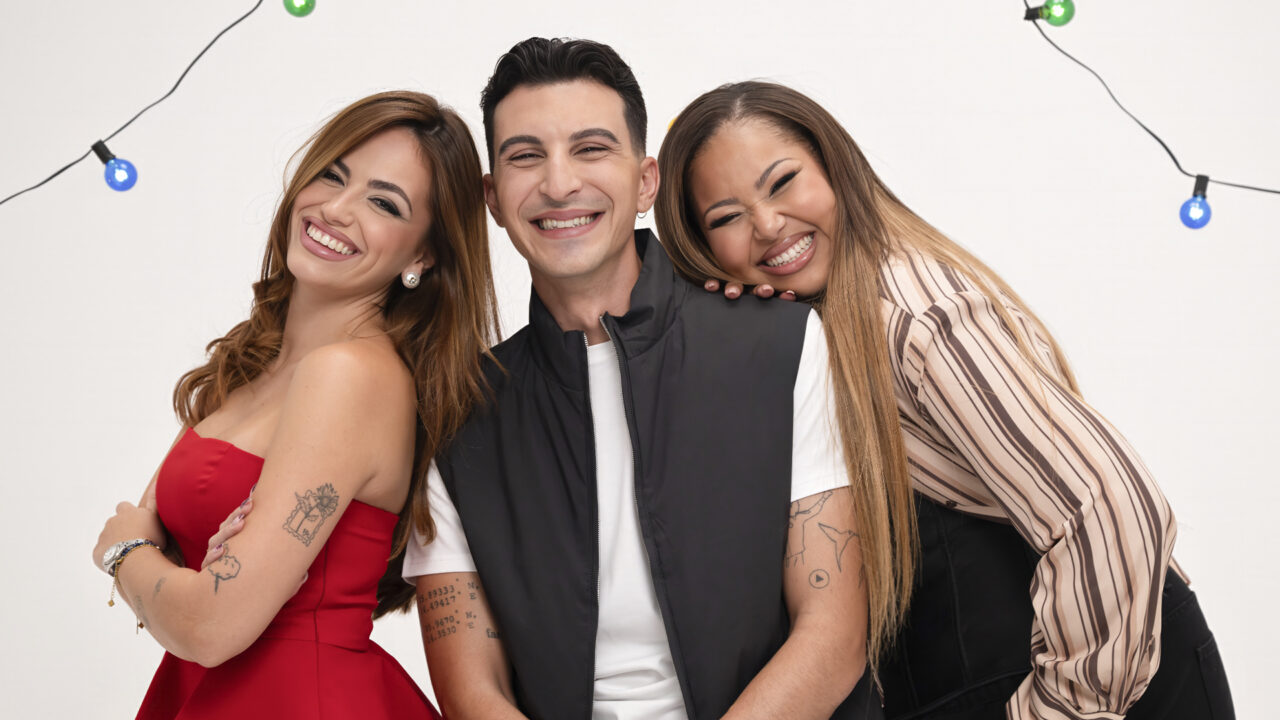
Gaia Cauchi, Destiny and Keane Cutajar will host the show
On 15 September, PBS announced that Gaia Cauchi, Destiny Chukunyere and Keane Cutajar will host Junior Eurovision 2026. The choice is highly symbolic: Gaia Cauchi (“The Start”, 2013) and Destiny (“Not My Soul”, 2015) gave Malta its two victories in the contest, while Keane Cutajar brings his experience as a presenter of major live entertainment shows.
The three already hosted the Malta Eurovision Song Contest in early 2026. Destiny also represented Malta at the Eurovision Song Contest 2021 in Rotterdam with “Je Me Casse”, finishing seventh, and both she and Gaia have been coaches on ‘The Voice Kids Malta’.
“Join the Festa”: the theme art of Malta 2026
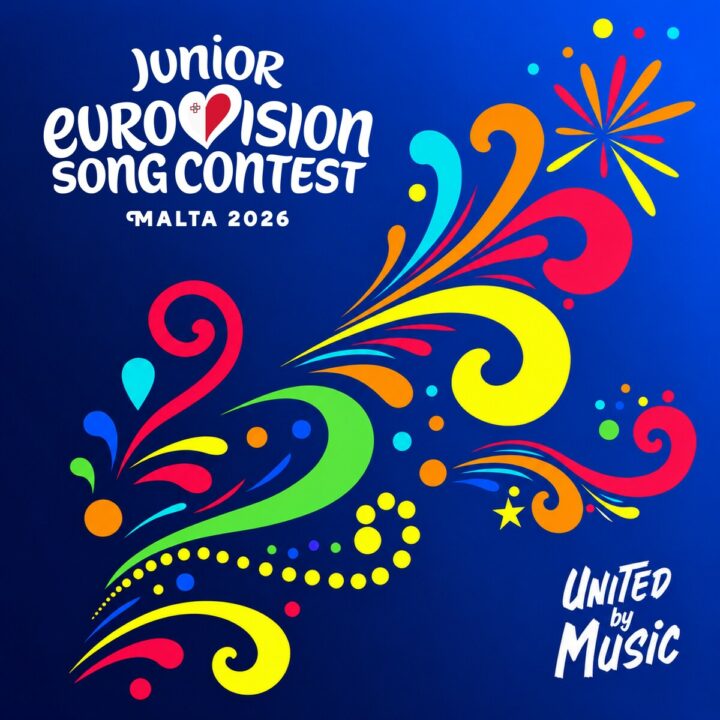
On 7 September, the EBU and PBS unveiled the visual identity of the contest, inspired by the Maltese “festa”, the village feasts in which streets fill with decorations, flags, band music and fireworks. Under the edition’s slogan “Join the Festa”, used alongside the permanent slogan “United By Music”, the design combines a dark blue background with bright yellow, green, turquoise, orange, pink and fuchsia ornaments: spirals, curves, garlands, pennants, stars and the Eurovision heart.
A stage turned into a big, colourful festa
The stage was presented the same day. Inspired by the streets of Maltese towns, with their colourful façades and traditional balconies, it features bright arches that echo the tent-like roof of the MFCC. The renders show a circular main stage that plays with heights through central staircases, with a second circular platform connected by a catwalk. The design aims to allow each delegation to create its own world on stage.
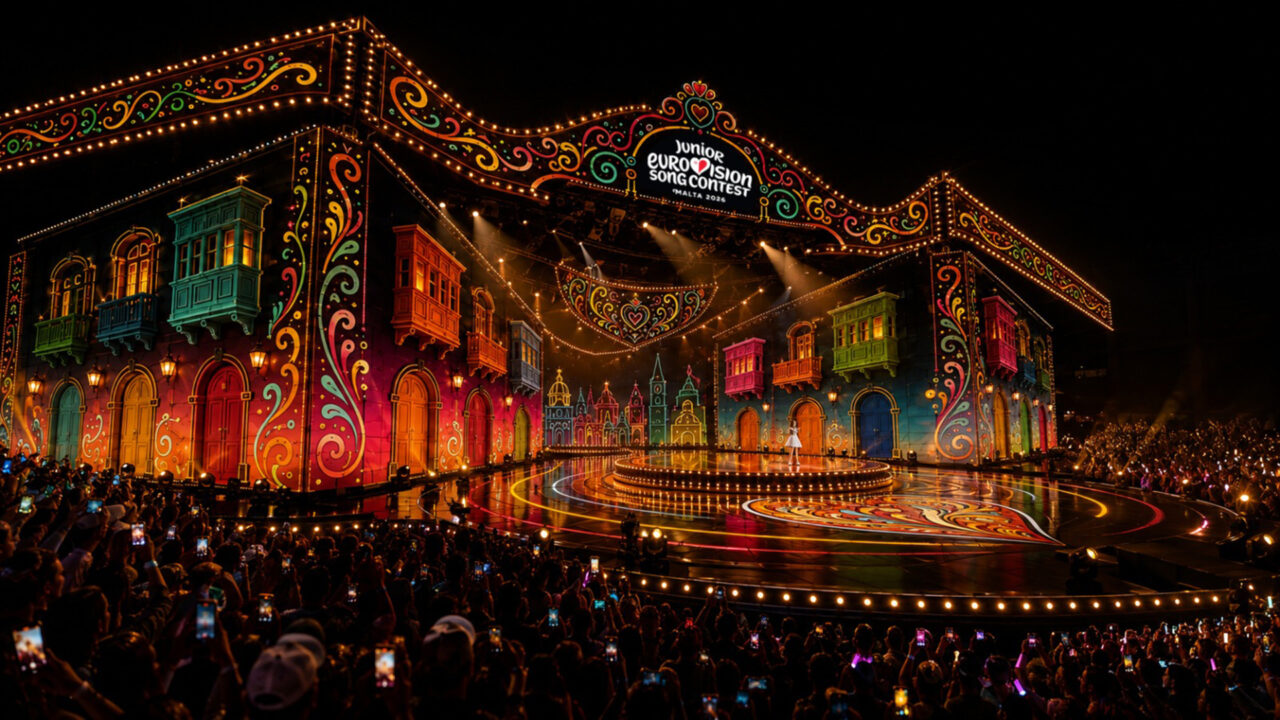
Start time: 21:00 CEST
The show will start at 21:00 CEST on Saturday 24 October, moving Junior Eurovision into prime time. In recent editions, the contest had been broadcast in the afternoon, between 16:00 and 18:00; Tbilisi 2025 started at 17:00 CET.
Tickets
Tickets went on sale on Wednesday 23 September at 18:00 CEST through eventworks.mt, with prices from €15. They are available for the two shows with an audience: the jury show on Friday 23 October and the live show on Saturday 24 October. Children under 14 must be accompanied by an adult, and those aged 14 to 16 must present a consent form.
Capri-Sun, the first official sponsor in the history of the contest
On 3 October, the EBU announced that Capri-Sun will be the official partner of Junior Eurovision 2026, the first commercial partnership in the history of the contest since Copenhagen 2003. The brand will be present through digital and social media activations and in Malta.
“The Junior Eurovision Song Contest is all about young people coming together to share their creativity, energy and passion for music, and Capri-Sun is a natural fit for that spirit.”
Martin Green CBE, Director, Junior Eurovision Song Contest
The official album
The official album with the 16 songs of Junior Eurovision 2026 was released at midnight on Friday 9 October, digitally only, in partnership with Universal Music. The countries appear in English alphabetical order, and the cover follows the theme art, with fireworks, geometric shapes and spirals.
The official ESCplus playlist with the songs of Junior Eurovision 2026
Enjoy all the Junior Eurovision 2026 songs in the ESCplus playlist on Spotify:
The countries that keep their door closed to Junior Eurovision in 2026
Australia, Austria, Azerbaijan, Belarus, Belgium, Canada, Croatia, Czechia, Denmark, Estonia, Finland, Germany, Greece, Iceland, Israel, Kazakhstan, Latvia, Lithuania, Luxembourg, Norway, Romania, Russia, Slovenia, Sweden, Switzerland, the United Kingdom and Wales will not take part in Junior Eurovision 2026, while Kosovo has expressed its interest but is not an EBU member.
Most of these are expected absences, as they involve countries that have not taken part for several years. Here are some of the most notable:
Germany | Last participation: Madrid 2024
On 25 February, the children’s channel KiKA of ARD and ZDF announced that it would not return to Junior Eurovision in 2026, without giving reasons, and that it did not intend to come back “in the near future”. On 4 April, it emerged that Germany’s withdrawal is “definitive”, after months of careful evaluation, and that KiKA will not broadcast the 2026 contest or later editions either.
In its statement, the broadcaster said it will continue to support the development and promotion of young talent in Germany, a task it considers a “priority”. Germany’s last participation was in Madrid 2024.
Australia | Last participation: Gliwice-Silesia 2019
Australia will not return in 2026 either. ABC and SBS confirmed that the country has no plans to come back, without giving details. After withdrawing in 2020 because of the coronavirus pandemic, the intention was to return, but neither of the Australian broadcasters, associate members of the EBU, seems willing to take on the entry. A broadcast of the 2026 contest is not planned either.
Austria | Never debuted
After hosting the 70th anniversary of the Eurovision Song Contest in Vienna, ORF will not take part in Junior Eurovision 2026. The Austrian broadcaster confirmed its decision without explaining the reasons, and Austria thus remains outside a contest in which it has never debuted.
Azerbaijan | Withdraws after returning in Tbilisi 2025
Its return in Tbilisi 2025 was a surprise, but Azerbaijan’s presence has been short-lived. İctimai Televiziya (İTV) told ESCplus exclusively that it would not take part in 2026, without giving reasons. Its press officer, Turab Teymurov, wished the 24th edition “success”.
The Caucasian country has only taken part five times since its debut in Amsterdam 2012. On its return last year, Yağmur Nasrullayeva and “Miau Miau” finished 15th out of 18.
Belgium | Last participation: Amsterdam 2012
Annemie Gulickx, programming director of Ketnet, the children’s channel of the Flemish broadcaster VRT, confirmed that it has no plans to return, without explaining why. VRT last said it was studying a return in late 2023. Since Amsterdam 2012, the lack of interest from the public broadcasters, financial issues and falling audiences have kept Belgium away.
Belarus | Last participation: 2020
Belarus’s public broadcaster BTRC remains suspended from the EBU and all its contests. The deadline set by the organisation expired in July 2024, but it considered that there were no grounds to change its position on the political use of public television, so the suspension remains indefinite.
Canada | Never debuted
CBC/Radio-Canada surprised everyone with its debut at the Eurovision Song Contest 2027 after becoming a full EBU member. However, its Junior Eurovision participation will have to wait: Leon Mar, senior director of public affairs, announced that it will not take part in 2026, as it is prioritising its Eurovision debut. As an active member, Canada can take part in all the Eurovision contests without needing an invitation.
Czechia | Never debuted
Česká televize (ČT) announced that Czechia will not take part in 2026; its press department confirmed that it “has no plans to debut”. The country has shown no interest in joining the contest in its 23 editions so far.
Croatia | Withdraws after returning in Tbilisi 2025
Croatia is the other withdrawal of 2026. The first winner of the contest, in 2003, leaves again after a brief return in 2025. No reasons have been given for the decision.
Croatia won the first edition with Dino Jelušić and “Ti Si Moja Prva Ljubav” and took bronze the following year. It took part until 2006 and withdrew in 2007, returned in 2014, when it finished last, and came back again last year, linked to the launch of the Croatian version of ‘The Voice Kids’.
Denmark | Last participation: Hasselt 2005
Denmark, the country that inspired the creation of Junior Eurovision and hosted its first edition in Copenhagen 2003, will again be absent. DR confirmed that it has no plans to return; according to Marlene Boel, head of children’s and youth content, the broadcaster prioritises its national contest, MGP Junior, although it follows the evolution of Junior Eurovision and does not rule out a future return.
Its last participation was in Hasselt 2005; together with Norway, it withdrew in 2006 after disagreeing with the rule changes introduced by the EBU, arguing that the contest put too much pressure on the children and had become “too adult”. The 2026 edition of Dansk Melodi Grand Prix Junior was won by Anna Frida with “Ligeglad Ligeglad”.
Slovenia | Last participation: Bulgaria 2015
RTV Slovenija confirmed that it has no plans to return in the coming years; according to a spokesperson, the contest was not included in its planning after an evaluation process. Since Bulgaria 2015, financial issues have been the main obstacle.
Estonia | Last participation: Madrid 2024
The debut of Estonia in Nice 2023 was one of the big surprises of recent years, but after two consecutive participations, ERR will be absent again. In 2025, budget cuts prevented it from competing and even forced it to reduce the format of Eesti Laul. Mart Luik, member of the management board, said that ERR does not close the door to a return when its finances improve, and stressed the need for an annual selection format, as ‘Tähtede lava’ was in 2024.
Finland | Never debuted
Yle will not debut in 2026, as confirmed by Markku Mastomäki, head of children’s programmes. No reasons were given, but in 2024 he explained that the absence was mainly due to budget issues. Finland has never taken part since the contest was created in Copenhagen 2003.
Wales | Last participation: Gliwice-Silesia 2019
With the United Kingdom absent, the door would be open for Wales, but S4C confirmed, through Elisabeth Garrod, head of viewer services, that it will not return in 2026. Wales debuted in Minsk 2018 and took part twice. It did not compete in 2020 and 2021 because of the pandemic, and in 2022 and 2023 the BBC’s participation for the United Kingdom prevented its presence. Recent rumours in the Polish media of a return were denied by S4C on social media.
Greece | Last participation: Limassol 2008
ERT will not take part in 2026 and focuses its youth and music programming resources on the Eurovision Song Contest. After Limassol 2008, it withdrew citing low audiences and objections to the presence of children on television programmes, together with the Greek debt crisis.
Iceland | Never debuted
RÚV will not debut in 2026, as confirmed by its programming director, Eva Georgs Ásudóttir, without giving reasons. Iceland has shown interest on several occasions: it broadcast the first edition live and, since Paris 2021, has broadcast the contest again with good audience figures.
Israel | Last participation: Minsk 2018
KAN confirmed through Yossi Yudkovich, of its public relations department, that Israel will not return in 2026. In December 2024, the high cost of participating, the limited interest of the Israeli public and the priority given to original local children’s productions were cited as the main reasons. Israel has only competed three times.
Kazakhstan | Last participation: Yerevan 2022
Kazakhstan’s Ministry of Culture and Information confirmed that Khabar Agency has no plans to return in 2026, citing the high costs of the contest: participation fees, broadcasting rights, the preparation of the entry, the music video, technical expenses and the delegation. “The total cost is excessive and Khabar Agency currently does not have the necessary financial resources to cover it”, the Ministry stated.
In September, the EBU also rejected Kazakhstan’s application for full membership: Khabar Agency, an associate member since 2016, does not meet the requirements, which are linked to the European Broadcasting Area and to membership of, or observer status at, the Council of Europe.
Debut rumours: Kosovo stresses its interest in Junior Eurovision
As usual, there were rumours about possible debuts by Finland or Iceland, whose broadcasters follow the contest closely, but neither has taken the step.
Kosovo, meanwhile, has entered the scene. RTK has expressed its wish to join the children’s contest and has revived a historic Kosovar competition, Akordet e Kosovës, to that end. For now, the request has not materialised, even though the EBU approved new membership categories at its 96th General Assembly, held on 25 and 26 June in Prague, which allowed the Catalan broadcaster 3Cat to join as an auxiliary member. Kosovo’s limited international recognition and the fact that it is not a member of the Council of Europe remain obstacles.
Latvia | Last participation: Yerevan 2011
LSM confirmed that Latvia will not take part in 2026, extending an absence of 15 years. Latvia took part in the first editions, from Copenhagen 2003 to Hasselt 2005, and returned in Minsk 2010 and Yerevan 2011, before withdrawing again for financial reasons and lack of interest from viewers.
Lithuania | Last participation: Yerevan 2011
LRT confirmed that Lithuania will not take part in 2026. Jolanta Misienė, of its contact centre, explained: “At present, the Junior Eurovision Song Contest is not generating enough interest among the public in Lithuania, and the project itself requires extremely significant financial and organisational resources. Therefore, we do not plan to participate at this time”.
Lithuania debuted in Rotterdam 2007, withdrew for financial reasons in 2009, returned in Minsk 2010 and competed for the last time in Yerevan 2011. LRT broadcast the 2023 and 2024 editions to gauge public interest, and it even asked children in a survey for its channel LRT Vaikai: “Should we organise a Junior Eurovision selection?”.
Luxembourg | Never debuted
In late 2025, RTL explained why it continues to broadcast Junior Eurovision without plans to debut: according to Jeff Spielmann, head of press of the Luxembourg delegation, the Eurovision Song Contest remains its priority since its return in Malmö 2024. The contest remains relevant for RTL Lëtzebuerg’s young audience, which is why it broadcast the 2024 and 2025 editions, although the decision is taken year by year.
Norway | Last participation: Hasselt 2005
NRK has announced the return of its Melodi Grand Prix Junior in 2027 after a five-year absence, but a return to Junior Eurovision is not in its plans. Norway, one of the 16 founding countries in Copenhagen 2003 and host of Lillehammer 2004, last took part in Hasselt 2005, before withdrawing in 2006 together with Denmark, arguing that the contest put “too much pressure on the participating children”.
United Kingdom | Last participation: Nice 2023
The BBC confirmed through Henry Graham, marketing assistant at BBC Children’s and Education, that it will not take part in Ta’ Qali 2026: “We would like to let you know that we will not be participating in this year’s Junior Eurovision Song Contest”. No reasons were given, but its withdrawal in 2024 was linked to low audiences, and the contest does not appear in the BBC’s content planning for 2026-2027.
Romania | Last participation: Kyiv 2009
TVR confirmed that Romania will not return in 2026, without explaining why. Romania competed without interruption from Copenhagen 2003 to Kyiv 2009 and hosted the contest in Bucharest in 2006.
Russia | Last participation: Paris 2021
Russia has been excluded from the EBU’s contests since 2022, after the invasion of Ukraine, which led to the suspension of the Russian members C1R, RTR and RDO. As a result, it cannot take part in the Eurovision Song Contest or Junior Eurovision, and the EBU has firmly ruled out readmitting the Russian broadcasters.
Sweden | Last participation: Malta 2014
SVT ruled out taking part, ending speculation about a possible return after launching, in 2024, Hello Mello, a music competition for 13- to 15-year-olds inspired by Melodifestivalen. Sweden took part from Copenhagen 2003 to Malta 2014, missing only Limassol 2008.
Switzerland | Last participation: Lillehammer 2004
SRG SSR has no plans to return. Kathrin Mauchle, customer service representative, explained that the decision reflects the priority given to the Eurovision Song Contest and its limited resources, which are devoted to “more diverse programming”. Its only participation was in Lillehammer 2004.
“SRG SSR is focused on participating in the Eurovision Song Contest and will therefore not take part in Junior Eurovision. The four broadcasters that belong to SRG SSR have limited resources, which they are investing in more diverse programming”
Kathrin Mauchle, customer service representative at SRG SSR
Ta’ Qali, home of Junior Eurovision 2026
Ta’ Qali is an area in the centre of Malta, between Attard, Mosta and Rabat. It was home to a military airfield used by the Royal Air Force during the Second World War, and over the years it has become an important centre for leisure, sport, culture and events.
Today, Ta’ Qali is home to some of the country’s most important facilities, such as Ta’ Qali National Park, one of the largest green spaces in Malta, and the Malta Fairs & Conventions Centre (MFCC), the island’s main exhibition and conference venue. The area also has top-level sports facilities, including the National Stadium, the usual home of the Maltese national football team.
Ta’ Qali is also known for its crafts village, where workshops produce traditional items such as blown glass, ceramics, jewellery and woodwork. Thanks to its central location and large facilities, it has become one of the main venues for national and international events, combining history, culture, nature and entertainment.
After Marsa in 2014 and Valletta in 2016, Ta’ Qali will become the centre of European youth music for a few days, showing the world Malta’s hospitality, culture and traditions.
Where will Junior Eurovision 2026 be held? Discover the Malta Fairs & Conventions Centre (MFCC) in Ta’ Qali
The Malta Fairs & Conventions Centre (MFCC) is the main exhibition and conference venue in Malta and one of the most important event spaces in the Mediterranean. It is located in Ta’ Qali, a strategic area in the centre of the island with good road connections, close to major sports and leisure facilities.
The complex, a tensile fabric structure, was designed to meet the demand for spaces able to host large national and international events. The MFCC offers a covered area of around 8,500 square metres without interior columns, which gives great flexibility for all kinds of events.
The venue can host anything from small business meetings to conferences, trade fairs, concerts, shows, indoor sports events and ceremonies. Its capacity exceeds 10,000 people, depending on the requirements of each show.
Its facilities include large exhibition areas, meeting and conference rooms, catering areas and advanced lighting, sound and audiovisual production services. Over the years, the MFCC has hosted international conferences, trade fairs, cultural festivals and large-scale concerts, and it has also been the venue of the Malta Eurovision Song Contest, the Maltese national selection for Eurovision, in its recent editions.
The EBU and PBS chose this venue for its capacity to host major international events and its experience with top-level music shows. For the occasion, the MFCC will become a large “Eurovision Festa Village”, inspired by the traditional Maltese feasts recognised by UNESCO, combining Malta’s Mediterranean identity with a modern production.